SEO Title: Is Teeth Whitening Safe in 2026?
Is Teeth Whitening Safe? The Complete 2026 Guide to Whitening Without the Risk

If you’ve typed “is teeth whitening safe” into Google at 11 pm before a big event, you’re not alone; it’s one of the most-searched dental questions of 2026. Between viral whitening strips, at-home LED kits, and in-office bleaching, there’s more noise than ever about what actually works and what might hurt your enamel. The short answer: yes, teeth whitening is safe for most people when it’s done correctly, but “correctly” is doing a lot of work in that sentence. Below, we break down exactly what makes whitening safe, what makes it risky, and how to get a brighter smile without the guesswork.
Quick Guide: How to Whiten Your Teeth Safely at Home
- Start with a dental checkup if it’s been over 6 months; whitening over untreated cavities or gum disease can trap peroxide against exposed nerves.
- Choose ADA-recognized products with a known peroxide concentration rather than unregulated viral kits.
- Follow the exact time and frequency on the label; don’t extend wear time to “speed up” results.
- Use a sensitivity toothpaste for a week before and during your whitening cycle.
- Avoid whitening and drinking coffee, wine, or acidic drinks back-to-back, since enamel is more porous right after treatment.
- Take breaks between cycles; most kits recommend resting several weeks before repeating.
- Stop and consult a dentist if sensitivity is sharp, lasts more than a few days, or your gums are irritated.
What Does “Safe” Actually Mean for Teeth Whitening?
When dentists say teeth whitening is safe, they mean it doesn’t permanently damage the tooth when used as directed. That distinction matters, because most of the fear around whitening comes from confusing temporary side effects with permanent damage.
Enamel vs. Dentin: Where Sensitivity Comes From
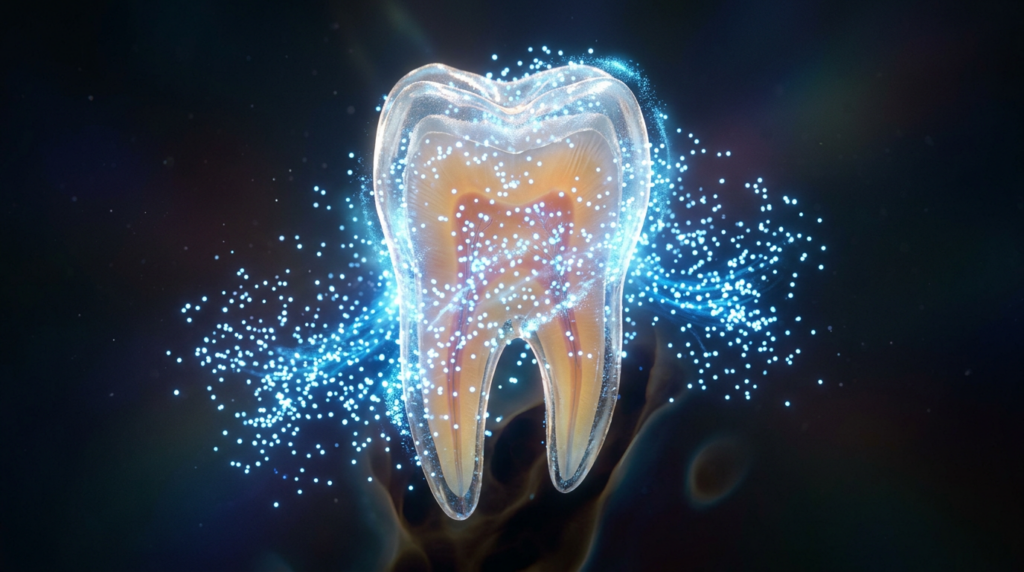
Whitening products use peroxide (hydrogen or carbamide peroxide) to break down stain molecules trapped in your enamel. During this process, enamel becomes temporarily more porous, which can let the peroxide reach the dentin layer underneath and irritate the nerve, and that is the source of sensitivity many people feel. This is normal, usually mild, and typically resolves within a few days of stopping treatment as minerals in your saliva re-harden the enamel.
Professional vs. At-Home Whitening
In-office bleaching remains the most trusted method (chosen by roughly a third of patients who whiten), largely because concentration and exposure time are controlled by a professional. At-home kits and strips are also considered safe teeth-whitening options; when you follow the instructions on the box, the risk increases mainly when people overuse them, chasing a whiter shade faster than enamel can handle.
Is Teeth Whitening Safe for Your Enamel? What the Research Shows
This is the question under the question. Research on whitening safety generally lands in a reassuring place.
Short-Term Porosity Is Normal
Studies show that whitening temporarily softens and increases porosity in enamel, but this reverses on its own once treatment stops, as saliva remineralizes the surface. Used as directed, whitening strips and gels do not cause permanent enamel erosion in the vast majority of users.
When Whitening Becomes Risky
The risk profile changes with misuse: leaving strips on longer than recommended, whitening every day instead of the recommended cycle, or combining multiple whitening products at once. Overuse is the single biggest factor separating safe use of teeth whitening from enamel damage, so more is not better here; consistency and restraint are.
The Best Products for Safe At-Home Whitening
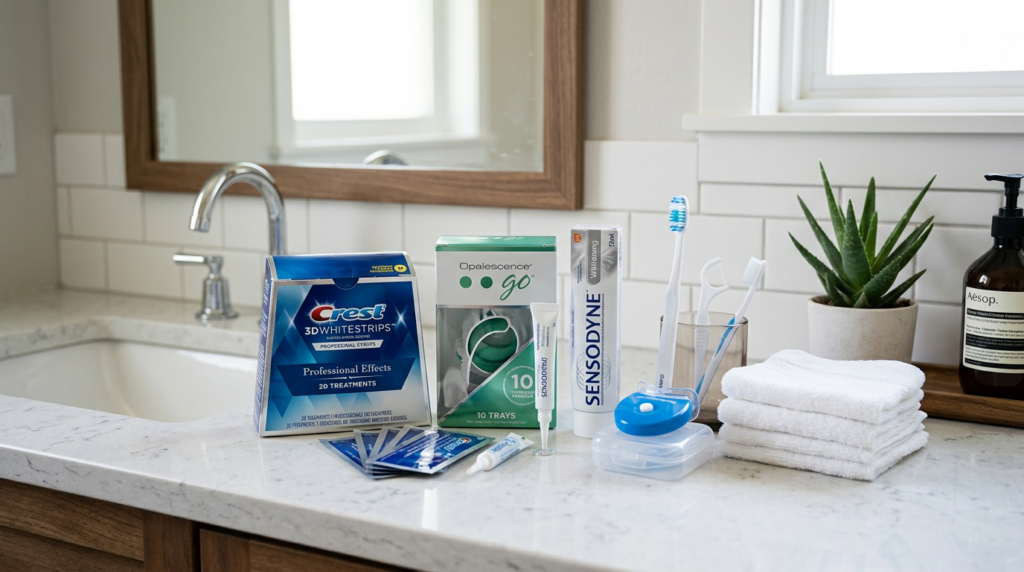
Not all whitening products are created equal, and the right toothbrush and flossing routine underneath your whitening treatment matters just as much as the whitening product itself. A few reader-favorite picks:
Learn about the dangers of cheap whitening products in this article about the truth about cheap whitening products
Crest 3D Whitestrips Professional Effects
For a low-sensitivity, dentist-style option, enamel-safe whitening strips with a lower, gradual peroxide release tend to cause less irritation than high-concentration one-day kits. Check the latest price on Amazon.
Oral-B iO Series Electric Toothbrush
Whitening only works as well as the clean surface underneath it. Plaque buildup blocks even whitening. An electric toothbrush removes significantly more plaque than manual brushing, which helps whitening results last longer and reduces gum irritation during treatment. Check the latest price on Amazon. Get more in-depth knowledge about the best electric toothbrushes for every budget here
Waterpik Cordless Advanced Water Flosser
For the interdental cleaning a toothbrush can’t reach, a water flosser clears plaque and debris from the gumline before whitening strips go on, so the gel contacts enamel rather than buildup. Check the latest price on Amazon. Compare water flossers and thread flossers in this article
Sensodyne Sensitivity & Gum Mouthwash
And if sensitivity does show up, an alcohol-free, fluoride mouthwash formulated for sensitive teeth can calm the nerve response between whitening sessions. Check the latest price on Amazon.
Don’t miss the next guide. Want the full breakdown on which whitening kits dentists actually recommend, plus early access to our product testing? Get the free 7-day fresher breath and brighter smile guide and subscribe to the Boateng Dental Newsletter for exclusive tips, subscriber-only deals, and first access to new dental guides.
Who Should Avoid Whitening or Talk to a Dentist First
Teeth whitening is safe for most healthy adults, but a few groups should check in with a dentist before starting:
- Pregnant or breastfeeding individuals (as a precaution, not a proven risk)
- Anyone with untreated cavities, cracked teeth, or active gum disease
- People with crowns, veneers, or bonding on front teeth (these won’t whiten and can look mismatched)
- Children under 16, whose nerve chambers are still larger and more sensitive
- Anyone with a known peroxide allergy or chronic tooth sensitivity
How to Reduce Sensitivity While Whitening
- Use a potassium nitrate or stannous fluoride toothpaste for two weeks around your whitening cycle
- Avoid whitening right after a dental cleaning, when enamel is briefly more sensitive
- Rinse with a lukewarm (not cold) fluoride mouthwash after removing strips.
- Shorten wear time slightly if strips feel uncomfortable, even within the product’s allowed range
Whiten every other day instead of daily.
Frequently Asked Questions
Conclusion
So is teeth whitening safe? For most people, the answer is a confident yes, as long as you choose a reputable product, follow the directions instead of improvising, and pair it with good plaque control from an electric toothbrush and water flosser. Whitening isn’t about doing more; it’s about doing it consistently and correctly. If you take one thing from this guide, let it be this: safe teeth whitening practice comes down to patience, the right products, and knowing when to call your dentist.
Ready for your brightest, healthiest smile? Book a checkup with Boateng Dental before you start your next whitening cycle. Get the free 7-day fresher breath, brighter smile guide and join the Boateng Dental Newsletter for exclusive whitening deals, product picks, and early access to every new guide we publish.