Is Whitening Toothpaste Safe for Daily Use?
Everyone desires a white, confident smile, which is why whitening toothpastes have become very popular. Well, who wouldn’t want an affordable and convenient way to brighten their teeth? But beyond convenience, many people still wonder, do whitening toothpastes actually work? How are they different from regular toothpaste, and more importantly, are they safe for everyday use?
If you find yourself asking similar questions, you are in the right place. In this article, we will explore how whitening toothpastes work, what makes them different from regular toothpaste, their potential benefits and risks, and how to determine whether they are the right choice for your oral care routine
What is Whitening Toothpaste?
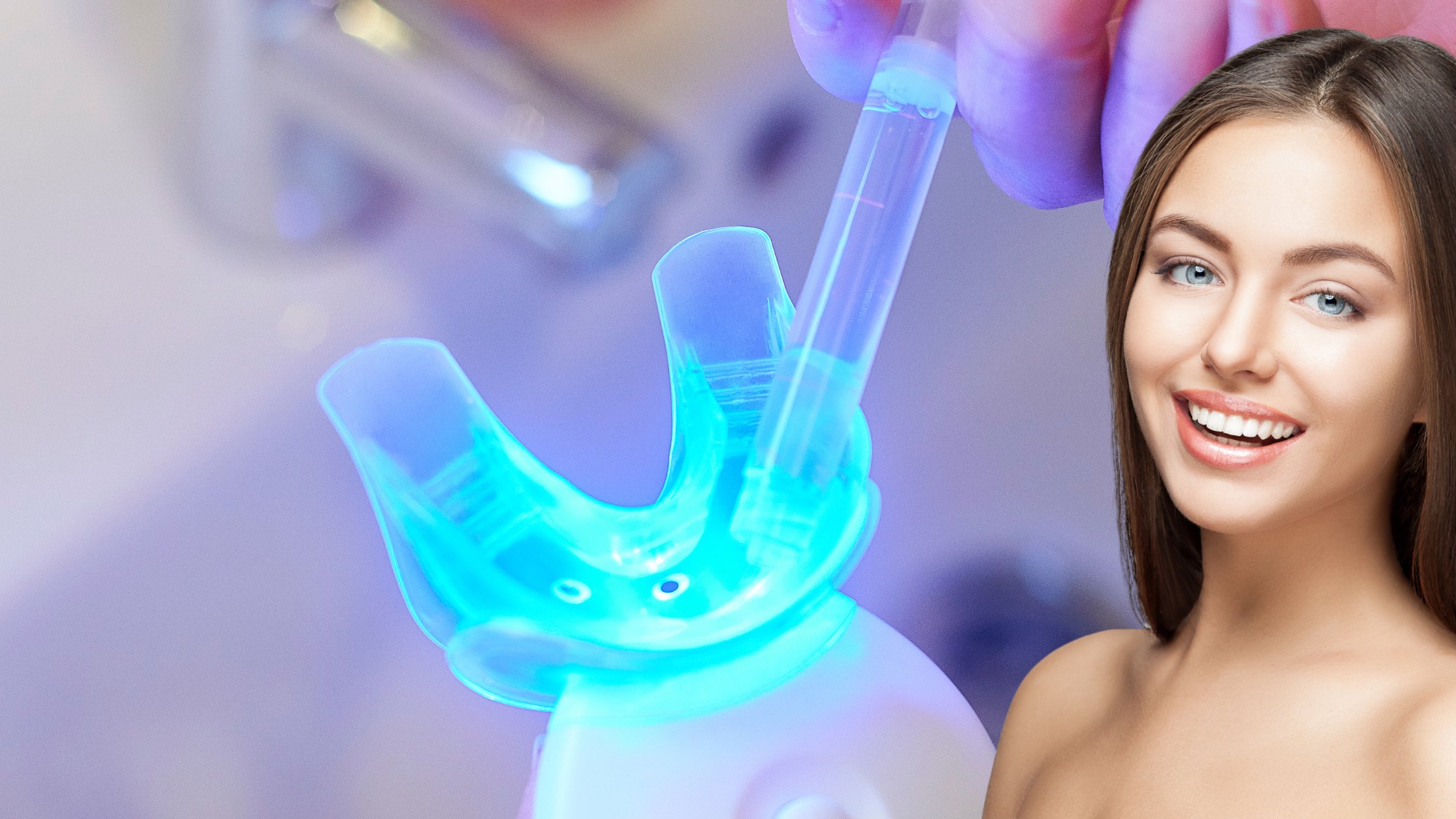
Whitening toothpaste is a specially formulated dental product designed to remove surface stains and brighten the teeth. Unlike professional whitening treatment, whitening toothpaste does not change the natural color of your teeth or whiten them. Instead, it primarily removes surface stains caused by foods, drinks, or smoking. Most whitening toothpastes contain mild abrasives and polishing agents such as hydrogen peroxide or carbamide in very low concentrations to enhance brightness over time.
Whitening Toothpaste vs. Regular Toothpaste: What is the Difference?
Both regular and whitening toothpastes clean teeth and protect against cavities. The difference is that regular toothpaste focuses mainly on enamel protection, cavity prevention, and gum health. Whitening toothpaste has an additional function. It is specially formulated to remove surface stains and enhance brightness. To achieve this goal, it may contain mild abrasives, polishing agents, and lower levels of whitening agents that lift stains from coffee, tea, wine, or smoking.
Why Is Whitening Toothpaste So Popular?
Before addressing safety, it’s important to understand why whitening toothpaste has become a popular option for people seeking a brighter smile.
Proven Surface Stain Removal
Whitening toothpastes contain controlled levels of mild abrasives, such as hydrated silica or calcium carbonate. These ingredients have been clinically proven to remove surface stains caused by coffee, tobacco, and wine, gradually improving tooth brightness.
Dual Action: Protection & Brightening
A good whitening toothpaste will still contain fluoride to strengthen the enamel and prevent cavities. This means users can maintain their oral health while improving the appearance of their teeth.
Budget-Friendly Confidence Boost
Compared to in-office whitening treatments or at-home kits, whitening toothpastes are far more affordable. Even small improvements in tooth brightness can make people smile more confidently.
Convenient and Easy to Use
Just like regular toothpaste, whitening toothpaste fits easily into your normal brushing routine. Unlike professional whitening treatments, it doesn’t require special appointments or kits. In general, most whitening toothpastes are safe for daily use when used as directed, although their effectiveness and safety can depend on their ingredients and abrasiveness level.
Possible Side Effects of Whitening Toothpastes
For most people, whitening toothpaste works flawlessly. However, others may experience some mild side effects, especially with prolonged or improper use. They include:
Fortunately, you can avoid these issues by carefully considering the following safety parameters when you choose a whitening toothpaste.
Choosing a Safe Whitening Toothpaste: What You Should Look Out For.
Abrasiveness Level (RDA Value)
Whitening toothpastes rely on abrasives to remove stains, but excessive abrasiveness can gradually wear down enamel. Look for products with a Relative Dentin Abrasivity (RDA) value below 250, which is considered within safe limits. Many reputable brands stay well below this level.
Type and Concentration of Whitening Agents
Some whitening toothpastes contain small amounts of the following: Hydrogen peroxide, carbamide peroxide, and chemical stain lifters such as sodium hexametaphosphate. In toothpaste, these ingredients are typically present in low concentrations and are considered safe for daily use. Avoid toothpastes that do not clearly list ingredients or make unrealistic whitening claims
Fluoride Content
A safe whitening toothpaste should still protect your teeth against cavities. Look for fluoride in the ingredients list, as it helps strengthen enamel and reduce the risk of cavities.
Seal of Approval or Regulatory Standards
Choose products that carry approval from recognized dental authorities or meet regulatory oral health safety standards. It indicates the toothpaste has undergone a safety evaluation.
Sensitivity Warning
If you already have gum recession, eroded enamel, or tooth sensitivity, consider using a whitening toothpaste labeled “for sensitive teeth” or consult a dental professional before using whitening products long-term.
Whitening toothpastes can safely brighten your smile when chosen carefully and used as directed. They are not a substitute for professional whitening treatments, but they are still an effective tool for maintaining a day-to-day smile and confidence.
If you are unsure about which whitening toothpaste is right for you, your dentist can recommend one that balances effective stain removal with enamel protection.