How to Whiten Teeth Without Sensitivity: The Complete 2026 Guide
If the phrase “brighter smile” has ever come with an asterisk, as long as I never eat ice cream again, you’re not alone. Roughly 35% of people who try whitening quit because of tooth pain, which is exactly why sensitivity-free teeth whitening has become the biggest trend in oral care heading into 2026. The good news: you don’t have to choose between white teeth and comfortable teeth. With the right products and a smarter routine, it’s genuinely achievable at home.
This guide breaks down why whitening causes sensitivity in the first place, walks through a step-by-step sensitivity-free teeth whitening routine, and recommends specific products worth adding to your cart.
Quick Guide: Sensitivity-Free Whitening in 5 Steps
- Get a baseline check. Rule out cavities or exposed roots before you start.
- Choose a low-peroxide or non-peroxide product. Gentler formulas mean less nerve irritation.
- Use desensitizing toothpaste for 1 or 2 weeks before and during treatment.
- Whiten in shorter, more frequent sessions instead of one long blast.
- Avoid hot, cold, and acidic food/drink for 24–48 hours after each session.
Why Teeth Whitening Causes Sensitivity
To understand why this happens, it helps to know what’s actually going on under the enamel. Whitening agents, usually hydrogen or carbamide peroxide, penetrate the enamel to break apart stain molecules. In the process, they can temporarily open the microscopic tubules in the dentin layer beneath your enamel. Those tubules lead straight to the nerve, which is why a blast of cold air or an ice-cold drink can suddenly feel like a jolt.
It’s Usually Temporary
For most people, this sensitivity fades within a day or two of stopping treatment. It’s uncomfortable, not damaging, but it’s also the number one reason people abandon whitening altogether.
Enamel Thickness Matters
Thinner enamel (from age, acid erosion, or aggressive brushing) means the dentin is closer to the surface, so whitening agents reach the nerve faster. This is also why the “acid wear” trend is so relevant to whitening comfort.
7 Ways to Get Sensitivity-Free Teeth Whitening at Home
Start With a Lower Concentration
Skip the strongest gel on the shelf. Lower-peroxide or peroxide-free strips take a little longer to show results but dramatically reduce nerve irritation, a core principle of pain-free whitening.
Pre-Treat With Desensitizing Toothpaste
Using a potassium nitrate or stannous fluoride toothpaste for one to two weeks before you start whitening helps calm the nerve endings in advance.
Shorten Your Sessions
Instead of one 60-minute treatment, try several 15 to 20-minute sessions spread across the week. Less contact time means less irritation.
Time Around Meals, Not Before Bed
Whitening right before bed means hours of contact with no saliva to help remineralize enamel. Whiten earlier in the day when possible.
Skip the Whitening Mouthwash During Treatment
Whitening mouthwashes are a nice maintenance step, but layering them on top of strips or trays during an active treatment window can compound sensitivity.
Hydrate and Avoid Extremes
For 24–48 hours post-treatment, stick to room-temperature foods and drinks, and avoid acidic items like citrus or soda.
Consider an Electric Toothbrush With a Sensitive Mode
A gentler brushing motion protects the enamel you’re working hard to protect. This is one of the simplest upgrades for keeping your results comfortable long-term.
Product Picks for a Pain-Free Whitening Routine
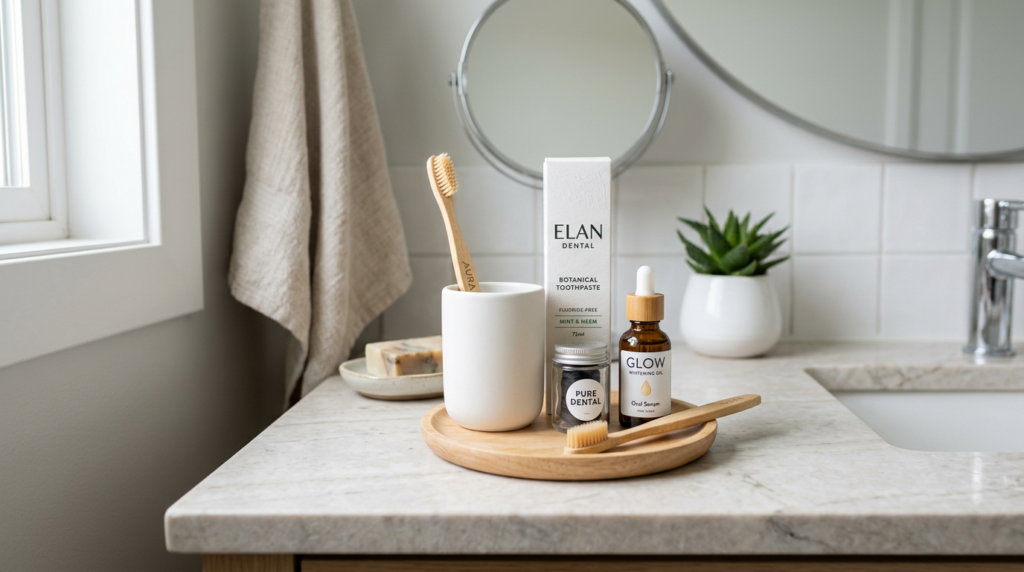
Pairing the right tools with the routine above makes a real difference. Here are two categories worth upgrading:
Whitening strips
Whitening strips are built for sensitive teeth. Look for low-peroxide or enamel-safe formulas with built-in desensitizing agents. Crest 3D Whitestrips is recommended for sensitive teeth and for a gentle routine. Check the latest price on Amazon
Electric toothbrush
An electric toothbrush with a sensitive/gum-care mode. A brush that adjusts pressure automatically protects enamel between whitening sessions. Check the latest price on Amazon for the recommended Oral-B iO Series Electric Toothbrush
Water flosser
A gentle water flosser for the days you’re whitening. Water flossers clean around the gumline without the extra scrubbing motion that can aggravate sensitive teeth. Check the latest price on Amazon for the recommended Waterpik Cordless Advanced Water Flosser
Desensitizing mouthwash
A whitening-safe desensitizing mouthwash to use morning and night throughout your treatment. Check the latest price on Amazon for the recommended Sensodyne Pronamel Gentle Whitening Mouthwash
Learn the truth about cheap teeth-whitening products here
(Boateng Dental earns a small commission on qualifying purchases at no extra cost to you; this helps support free content like this guide.)
Get Whitening Tips Straight to Your Inbox
Want more pain-free whitening tricks, exclusive product deals, and early access to our dental guides? Get the free 7-day fresher breath, whiter smile routine guide, and subscribe to the Boateng Dental Newsletter. It’s free, weekly, and written by people who actually care about your gums.
Professional Whitening vs. At-Home: Which Should You Choose?
When At-Home Makes Sense
If your teeth are only mildly stained and you don’t have a history of sensitivity, a well-chosen at-home kit following the steps above is often enough. Learn about the best at-home whitening kit in 2026 in this article.
When to See Your Dentist First
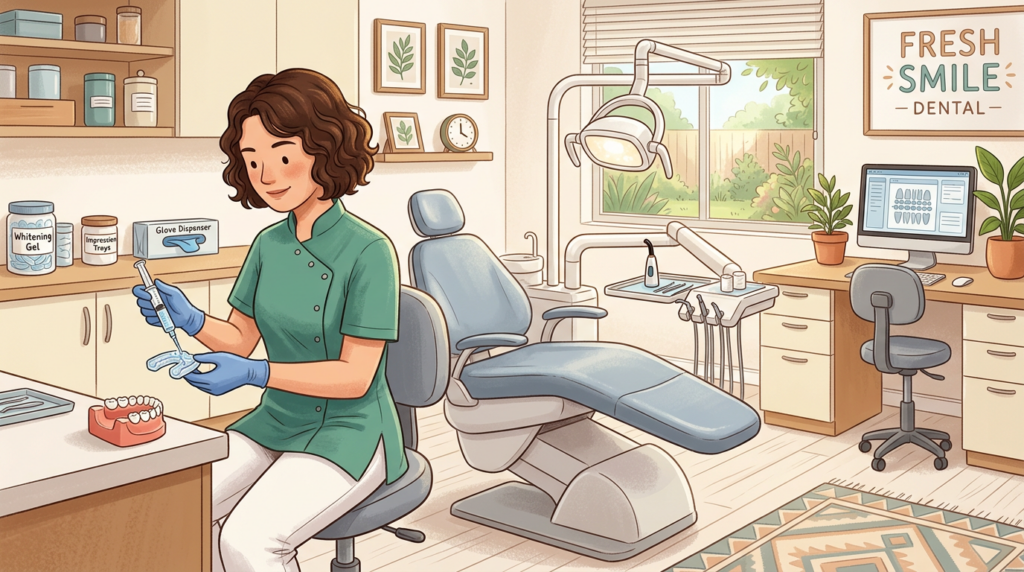
If you already deal with sensitive teeth, have exposed roots, cracked fillings, or gum recession, talk to your dentist before starting any whitening treatment. Professional-grade take-home trays with a custom fit and dentist-monitored peroxide levels are often the safer, more comfortable path.
Frequently Asked Questions
Conclusion
A brighter smile shouldn’t mean wincing every time you sip coffee. By choosing gentler formulas, prepping your teeth in advance, and pacing your sessions, sensitivity-free teeth whitening is well within reach for most people. Start with the quick guide above, pick one or two of the product upgrades, and give your routine two weeks before judging the results.
Ready for more? Browse our related guides on is teeth whitening safe in 2026, water flossers vs. string floss, the best electric toothbrushes for sensitive teeth, and how diet affects your enamel.
Don’t Miss the Next Guide
Get the free e-book, 10 Warning Signs you should see a dentist ASAP, and join the Boateng Dental Newsletter for exclusive tips, subscriber-only deals on the products we recommend, and first access to every new guide we publish