Teeth Whitening: Safe vs. Damaging Methods
A Dentist Explains What Teeth Whitening Methods Actually Work (and what to Avoid)

Teeth whitening is one of the most sought-after cosmetic dental treatments in the world. But here is the uncomfortable truth:
Most people damage their teeth trying to whiten them
From overusing whitening products to following misleading online advice, many end up with:
- increased sensitivity
- Weakened enamel
- Short-term result with long-term consequences
As a dentist, I don’t just see stained teeth—I see the damage caused by improper whitening. In this guide, I will help you to understand the following:
- What actually works
- What to avoid
- How to whiten your teeth safely and effectively
What Teeth Whitening Really Means
Teeth whitening treatments offer a safe and effective way to restore the natural brightness of your teeth, improving overall appearance and boosting confidence.
Teeth whitening involves the use of peroxide-based agents to break down stain molecules inside the enamel. It’s not about “scrubbing” stains off your teeth. There are two types of stains:
- Extrinsic stains (surface level). These are caused by coffee, tea, and smoking
- Intrinsic stains (deeper level). These are caused by ageing, medication, and trauma
Not all whitening methods work equally on both
Dentist Insight:
Whitening works best when paired with the right products—not just stronger chemicals. For example, using a low-abrasive toothpaste along with whitening treatments can help protect enamel while improving results. Look for options designed specifically fo sensitivity and enamel protection
Quick Guide: Choosing the Right Method
| Method | Effectiveness | Risk Level | Best For |
| Whitening Toothpaste | Low | Low | Maintenance |
| Over-the-counter-kits | Moderate | Medium | Mild Stains |
| Professional whitening | High | Controlled | Deep Stains |
| DIY hacks | Unpredictable | High | Not recommended |
Benefits of Teeth Whitening
Teeth whitening is so popular because it has some benefits. Some of the benefits of having a brighter smile include the following:
1. Confidence Boost
A brighter smile with white teeth significantly boosts your confidence, leading to more positive interactions.
2. Positive Impression
The moment you open your mouth, attention is drawn to your mouth and your teeth. People make decisions about you based on the color, shape, and arrangement of your teeth. Having whiter teeth creates a deep positive impression about you.
3. More Youthful Appearance
As we age, our teeth become darker from external staining and from increased dentine deposition, the tooth’s second layer. The color of dentine ranges from pale yellow to light brown. Having whiter teeth will take years off your looks and make you appear younger and more vibrant
4. Improved oral hygiene motivation
As a dentist, I have observed that patients are more motivated to take better care of their teeth and mouth when they experience the benefits of whiter teeth. Better oral care often translates to better overall care.
5. Improved quality of life
Smiling has been shown to reduce stress and improve your mood. People with brighter smiles smile more, reducing their stress levels and improving their quality of life
How Teeth Whitening Works
When peroxide-containing agents are applied to the tooth surface and activated, they break down into oxygen atoms. These oxygen atoms penetrate the enamel and interact with stain molecules trapped in the enamel. This interaction, called oxidation, breaks the large stain molecules into smaller and lighter-colored molecules, resulting in a whiter appearance of the tooth
Common Mistakes That Damage Teeth
1. Overusing Whitening Products
More is not better
Overuse can:
- Irritate nerves
- Cause long-term sensitivity
- Damage enamel protection
2. Using Abrasive “Natural” Remedies
Charcoal, baking soda, and lemon are often promoted online. But they can:
- Scratch the enamel
- Increase staining over time
- Cause irreversible damage
3. Ignoring Underlying Dental Issues
Whitening over:
- Cavities
- Gum disease
- Cracks
… can worsen the problem
If you also experience pain when biting, read “Why Your Teeth Hurt When You Bite.“
4. Expecting Instant results
Safe whitening is a gradual process. Fast results often come with a higher risk
What Actually Works (Dentist-Recommended Approach)
1. Start With Oral Health First
- Treat cavities
- Address gum issues
- Clean plaque buildup
2. Use Controlled Whitening Methods
- Dentist-supervised treatments
- Safe home kits (used correctly)
3. Protect Against Sensitivity
- Use low-abrasive toothpastes
- Avoid overuse
- Take breaks between treatments
4. Maintain Results
- Reduce staining foods
- Rinse after coffee/tea
- Maintain a consistent routine
Some at-home kits can be effective when used correctly.
Dentist-Recommended Whitening Approach
If you’re considering whitening at home, focus on safe, gradual results—not aggressive treatments. Consider the following:
- Controlled whitening gel
- Enamel safe formula
- Sensitivity protection
View a trusted whitening option
Before you whiten your teeth… Read this first. Most whitening mistakes happen because people don’t understand what actually works. Get the free ebook on the 10 signs you should see a dentist ASAP. Simple, evidence-based, and written by a licensed dentist
Types of teeth-whitening procedures
The types of teeth-whitening procedures include the following:
- in-office professional whitening
- Over-the-counter kits
- Whitening toothpastes
In-Office professional whitening

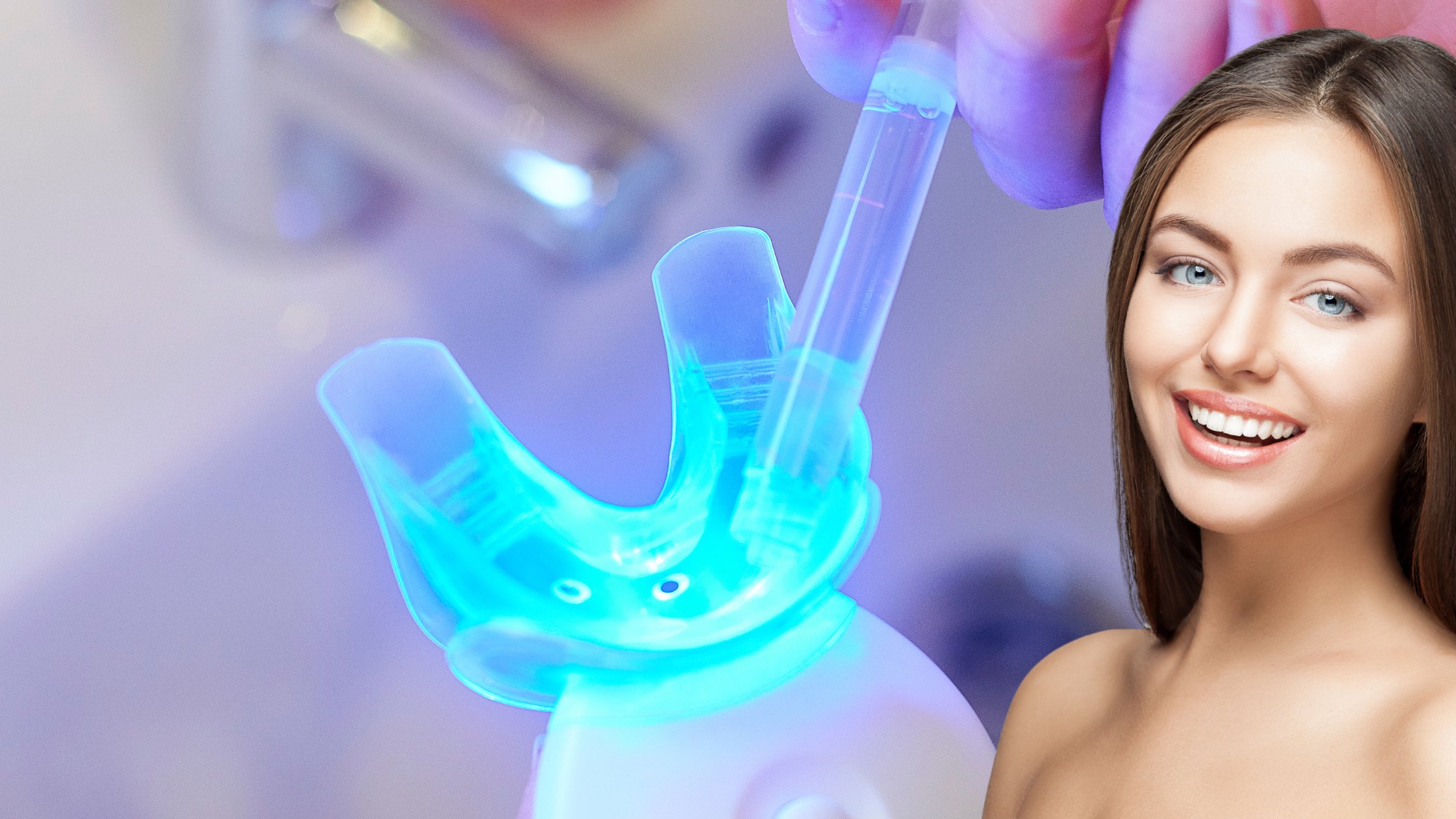
This method involves a visit to the dentist’s office, where a highly concentrated peroxide-based gel is applied to the teeth. The dentist ensures that the gums and surrounding tissues are protected before applying the whitening agent.
Specialized lights or lasers may be used to activate the gel and accelerate the whitening process. The procedure usually takes about 1-2 hours, and patients notice immediate results.
At-Home teeth whitening

Dentists may also provide custom-made trays and whitening gel for patients to use at home. These kits typically involve applying the gel to the trays and wearing them for a specified amount of time each day.
While the results may take longer to become noticeable than those of in-office treatments, at-home whitening kits offer convenience and flexibility.
Whitening toothpastes
Whitening toothpastes are specially formulated with low concentrations of whitening agents. They are meant to be used as your regular toothpaste. They are slow-acting but less prone to side effects and ideal for maintenance after a whitening procedure. To know more about the safety of whitening toothpaste, read Is Whitening Toothpaste Safe for Daily Use
Please Be Aware

It’s important to note that while teeth whitening is generally safe and effective, it may not be suitable for everyone. Teeth whitening is not recommended for individuals under 17 years, pregnant and breastfeeding mothers, and individuals with crowns, dentures, and implants
Individuals with sensitive teeth or gum disease should consult with their dentist before undergoing any whitening treatments.
FAQ Section
Wrapping Up

Teeth whitening is not just about appearance—it’s about doing it safely. The goal is not just whiter teeth.
It’s healthy, strong, and stable teeth that stay white over time
Whether done in-office or with at-home kits prescribed by a dentist, teeth-whitening treatments can effectively remove stains and discoloration, enhancing overall dental aesthetics and confidence if done correctly. If done incorrectly, it can create long-term problems