Best Electric Toothbrushes in 2026: My Honest, Tested Breakdown for Every Budget
Disclosure: This article contains affiliate links. If you buy through them, I may earn a small commission at no extra cost to you. I only recommend products I believe are genuinely worth it.
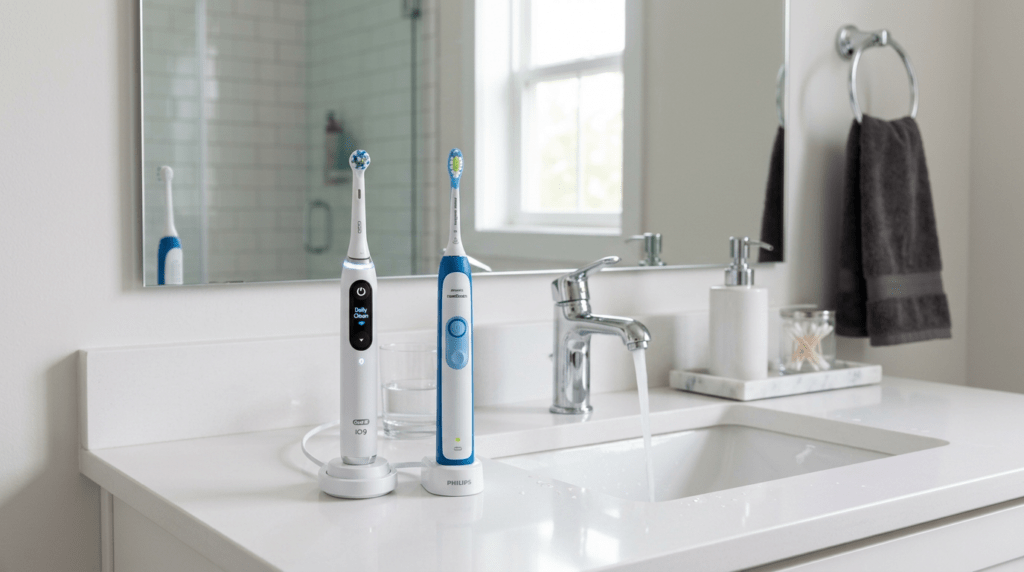
Looking for the best electric toothbrushes without overpaying for features you’ll never use? After digging through independent lab testing and putting the leading models through their paces, here’s the honest answer: the best electric toothbrush for most people is the Oral-B Pro 1000 — it cleans far better than a manual brush, has the features that actually matter (a pressure sensor and a two-minute timer), and costs a fraction of the premium models. If you want the very best, the Oral-B iO Series and Philips Sonicare Prestige lead the pack.
Below I break down the best electric toothbrushes for every budget, who each one is for, and where it’s worth spending more—and where it absolutely isn’t.
Quick picks: the best electric toothbrushes at a glance
| Pick | Best for | Type | Standout features | Price (US, checked June 2026) |
|---|---|---|---|---|
| Oral-B iO Series 9 | Best overall | Oscillating | Smart guidance, gentle, very quiet | ~$200 (list $299.99, often on sale ~$199.99) |
| Oral-B Pro 1000 | Best for most people | Oscillating | Pressure sensor, timer, ADA-accepted | ~$50 (frequently ~$40 with a coupon) |
| Philips Sonicare 7100 | Best premium build | Sonic | Premium feel, long battery, multiple intensities | ~$90–$172 |
| Philips Sonicare ProtectiveClean | Sensitive teeth & gums | Sonic | Gentle sonic motion, pressure sensor | ~$50–$80 (by model: 4100 ≈ $50, 5100 ≈ $80) |
| Oral-B Pro 500 | Best budget | Oscillating | Proven cleaning, timer, lowest entry price | ~$40 |
| Oclean X Ultra S | Best smart on a budget | Sonic | In-hand display app, cheaper than flagships | ~$100 |
Do you really need one of the best electric toothbrushes?
My honest answer is an electric toothbrush isn’t strictly necessary—a manual brush used well still cleans your teeth. But the evidence strongly favors powered brushing. A landmark Cochrane review of dozens of studies found that electric toothbrushes reduce more plaque and gum inflammation than manual brushing over time, and independent testers like Consumer Reports lab-test these brushes specifically because features like timers and pressure sensors help you brush more thoroughly and more safely.
In plain terms: the best electric toothbrushes don’t work magic, but they make it much easier to do the basics right—brushing long enough, in the right places, without scrubbing too hard. For most people, that’s the whole game.
Not sure electric is worth the switch for you? I compare both head-to-head in my electric vs. manual toothbrush guide.
How I chose the best electric toothbrushes
I didn’t rank these on price or brand name. I weighed the things that actually change your daily clean:
- Cleaning technology—oscillating brushes (Oral-B) use a small round head that rotates and pulses; sonic brushes (Philips Sonicare, Oclean) use a slim head that vibrates side to side. Both clean well; the “better” one is the one you’ll enjoy using.
- Pressure sensor — the single most underrated feature. It warns you when you’re brushing too hard, which protects your gums and enamel. This is the main reason I rank the Pro 1000 above the cheaper Pro 500.
- Two-minute timer — keeps you brushing for the full recommended time, usually with 30-second nudges to move to the next section.
- Brush head cost and availability — a cheap handle with expensive, hard-to-find heads is a false economy. Oral-B and Sonicare heads are everywhere.
- Battery life and charging — a week-plus on a charge matters if you travel.
- Value — what you actually get for the money, not just the spec sheet.
The best electric toothbrushes for every budget
Best overall: Oral-B iO Series 9
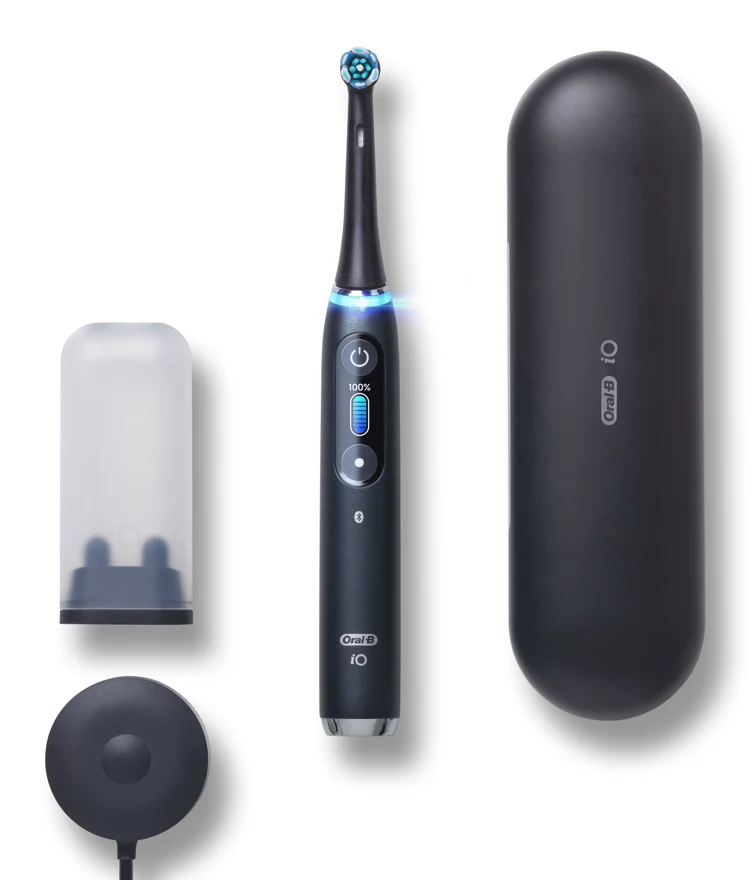
If budget isn’t the deciding factor, the iO Series is as good as powered brushing gets. It pairs Oral-B’s proven oscillating clean with a smoother, much quieter motion than older models, real-time guidance on where you’re brushing, and a clear pressure indicator that glows when you press too hard. It’s a genuine pleasure to use—and that’s the point, because the best electric toothbrush is the one you’ll reach for twice a day.
Pros: excellent clean, gentle, very quiet, smart guidance.
Cons: premium price; the app is optional, and most people ignore it. Get the Oral-B iO Series 9 here
Best for most people: Oral-B Pro 1000
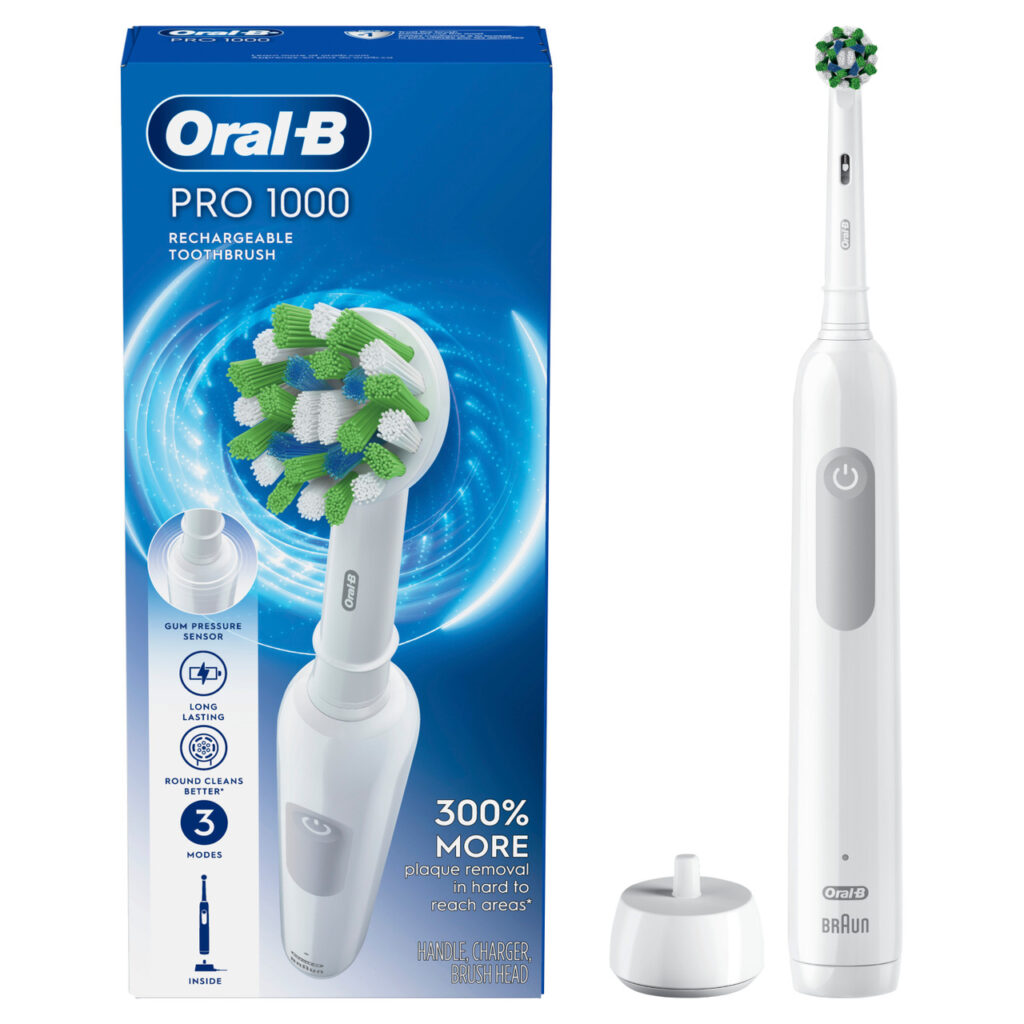
This is the one I recommend to almost everyone, and it’s a long-standing favorite of dentists for good reason. It strips away the gimmicks and nails the essentials: a strong oscillating clean, a built-in pressure sensor, and a two-minute timer—at a price (commonly around $50–$70) that won’t make you wince. It’s also ADA-accepted. For the vast majority of people, spending more buys convenience, not a meaningfully cleaner mouth.
Pros: unbeatable value, pressure sensor, it’s cheap, and it has widely available heads.
Cons: one cleaning mode; not the quietest. — check the current price.
Best premium build: Philips Sonicare 7100
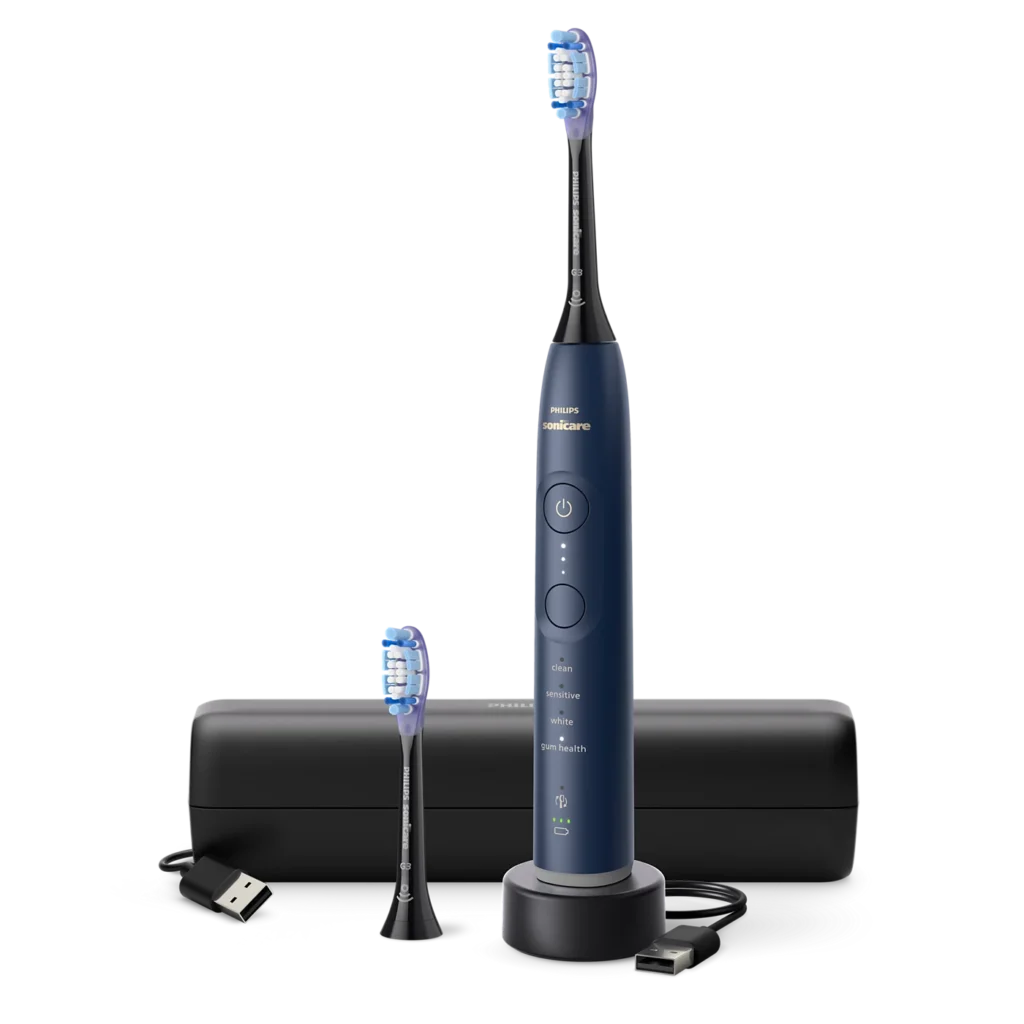
If you prefer the smoother feel of sonic brushing, the Sonicare 7100 is the sweet spot in Philips’ lineup. It has a satisfyingly weighty handle, a long-lasting battery, and several intensity levels so you can dial in the strength you like, plus the usual timer and pressure feedback. It delivers most of what the flagship Prestige offers for noticeably less money.
Pros: premium build, long battery, adjustable intensities, and a gentle sonic feel.
Cons: pricier than the Pro 1000; no AI guidance (you won’t miss it). Check the current price.
Best for sensitive teeth and gums: Philips Sonicare ProtectiveClean
Sonic brushes tend to feel gentler than oscillating ones, which is why I steer people with sensitive teeth or tender gums toward Sonicare. The ProtectiveClean adds a sensitive mode and a pressure sensor that pulses to stop you from bearing down—exactly what irritated gums need. Pair it with a soft brush head and a light touch.
Pros: gentle, sensitive mode, pressure protection.
Cons: fewer features than premium models. Check the current price.
A gentler routine helps too. Grab my free 7-Day Fresher, Whiter Smile Routine — it includes the simple gum-friendly steps I recommend alongside any of these brushes.
Best budget electric toothbrush: Oral-B Pro 500
If money is tight, the Pro 500 gets you Oral-B’s proven oscillating clean and a two-minute timer at the lowest entry price in the range. The trade-off versus the Pro 1000 is the missing pressure sensor—so if you tend to brush hard, stretch for the Pro 1000. Otherwise, this is the most clean-per-dollar you can buy. Well-reviewed budget brands like AquaSonic and Burst are also worth a look if you want sonic on a budget.
Pros: cheapest reliable option, real oscillating clean, and timer.
Cons: no pressure sensor; basic. Check the current price.
Best smart value alternative: Oclean X Ultra S
Want the smart-brush experience without the flagship price? The Oclean X Ultra S offers an in-handle display and app features that rival the top Oral-B iO and Sonicare Prestige models for considerably less. The app isn’t quite as polished, but the brushing experience and feedback are genuinely good.
Pros: smart features for less, useful in-handle display.
Cons: The app is a step behind the big brands. — check the current price.
Are the best electric toothbrushes worth the upgrade?
For most people, yes, but spend where it counts. The jump from a manual brush to a solid mid-range model like the Pro 1000 is the upgrade you actually feel. The jump from a mid-range model to a $250 flagship is mostly about comfort, quietness, and smart features—nice to have, not need to have. Buy the cheapest brush that has a pressure sensor and a timer, and you’ve captured 90% of the benefit.
How to get the most from your electric toothbrush
A great brush only helps if you use it well:
- Let it do the work. Guide it slowly, tooth to tooth—don’t scrub. Scrubbing wears enamel and irritates gums.
- Brush twice a day for the full two minutes. Use the timer.
- Replace the brush head every three months, or sooner if the bristles splay.
- Don’t rinse straight after with water — let the fluoride toothpaste keep working.
Want the complete routine? My free 7-Day Fresher, Whiter Smile Routine walks you through it, one easy habit at a time.
Frequently asked questions about the best electric toothbrushes
The verdict: which electric toothbrush should you buy?
If you want one recommendation, get the Oral-B Pro 1000 — it’s the best electric toothbrush for most people, full stop. Step up to the Oral-B iO Series or Philips Sonicare 7100 if you want a premium, quieter experience; choose the Sonicare ProtectiveClean for sensitive teeth; and grab the Oral-B Pro 500 if you’re on a tight budget.
Whichever you pick, the brush is only half the story — technique and consistency do the rest. Grab my free 7-Day Fresher, Whiter Smile Routine to put it all together, and see a licensed dentist for a check-up and advice tailored to your mouth.
This guide is general oral-hygiene information for educational purposes only and is not dental or medical advice. For any dental concerns, please consult a licensed dentist.