Ozempic Teeth: What GLP-1 Medications Are Doing to Your Smile (And How to Stop It)
If you’ve started Ozempic, Wegovy, Mounjaro, or Zepbound and noticed your mouth feels drier, your breath has changed, or you’ve suddenly got a cavity for the first time in years, you’re not imagining it. Dentists across the country are seeing a real pattern now nicknamed Ozempic teeth, a cluster of dental problems showing up in patients on GLP-1 weight-loss and diabetes medications. At Boateng Dental, we’re fielding more questions about this than almost any other topic this year, so we’re breaking down exactly what’s happening and what you can do about it.
Quick Guide: Ozempic Teeth in 60 Seconds
- What it is: Dry mouth, increased cavities, gum inflammation, and bad breath linked to GLP-1 medications (semaglutide, tirzepatide).
- Why it happens: Appetite and thirst suppression reduce saliva flow; saliva is your mouth’s natural defense against bacteria and acid.
- Who’s affected: Anyone on Ozempic, Wegovy, Mounjaro, or Zepbound; risk rises the longer you’ve been on the medication.
- Is it permanent: No. With the right routine, most people’s oral health returns to baseline.
- What to do now: Drink more water, switch to an electric toothbrush, add a water flosser, and use an alcohol-free mouthwash designed for dry mouth.
What Is “Ozempic Teeth”?
“Ozempic teeth” isn’t an official medical diagnosis; it’s the shorthand dentists and patients are using to describe the oral health side effects tied to GLP-1 receptor agonists. The symptoms typically include a persistently dry mouth, new or worsening cavities, tooth sensitivity, inflamed or bleeding gums, and noticeably worse breath. The American Dental Association has flagged the trend, and dental researchers point to the same root cause across cases: reduced saliva production combined with appetite changes that alter how and how often people eat and drink.
Why GLP-1 Medications Affect Your Oral Health
Dry Mouth and Reduced Saliva
GLP-1 drugs slow digestion and suppress appetite, but they also tend to suppress thirst. Less fluid intake plus changes in salivary gland activity can lead to xerostomia (chronic dry mouth). Saliva does more than keep your mouth comfortable; it neutralizes acid, washes away food particles, and delivers minerals that re-harden enamel. When saliva flow drops, cavity-causing bacteria thrive unchecked.
Appetite and Diet Changes
Many patients on these medications eat smaller, more frequent meals or shift toward soft, carbohydrate-heavy foods that are easier to tolerate. Frequent snacking even on “healthy” foods keeps your mouth in an acidic state longer, which accelerates enamel erosion.
Nausea and Acid Erosion
GLP-1 medications commonly cause nausea and occasional reflux or vomiting, especially during dose increases. Stomach acid is highly erosive to enamel, and repeated exposure can thin enamel and increase sensitivity over time.
Warning Signs You Shouldn’t Ignore
- A dry, sticky, or cottony feeling in your mouth that doesn’t go away after drinking water
- New cavities appearing after years of a clean bill of dental health
- Gums that bleed when you brush or floss
- Persistent bad breath despite normal brushing
- A burning or rough sensation on your tongue
- Increased tooth sensitivity to hot, cold, or sweet foods
If any of these sound familiar, it’s worth scheduling a checkup; waiting until pain shows up usually means the problem has already progressed.
How to Protect Your Smile While on GLP-1 Medications
- Prioritize Hydration and Saliva Support
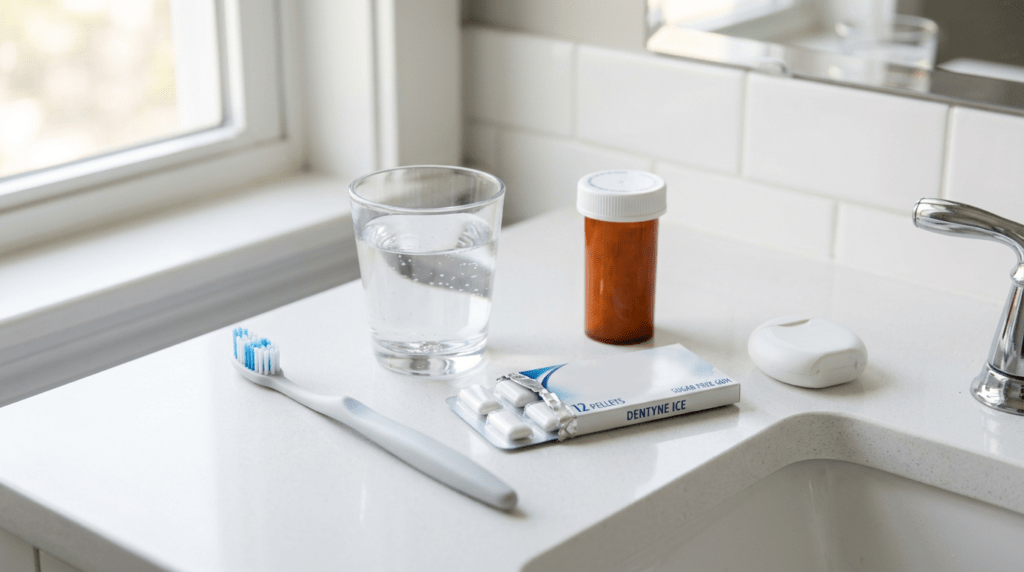
Sip water throughout the day, even if you don’t feel thirsty; set phone reminders if needed. Sugar-free xylitol gum or lozenges can also stimulate saliva flow between meals.
- Upgrade Your Brushing Routine
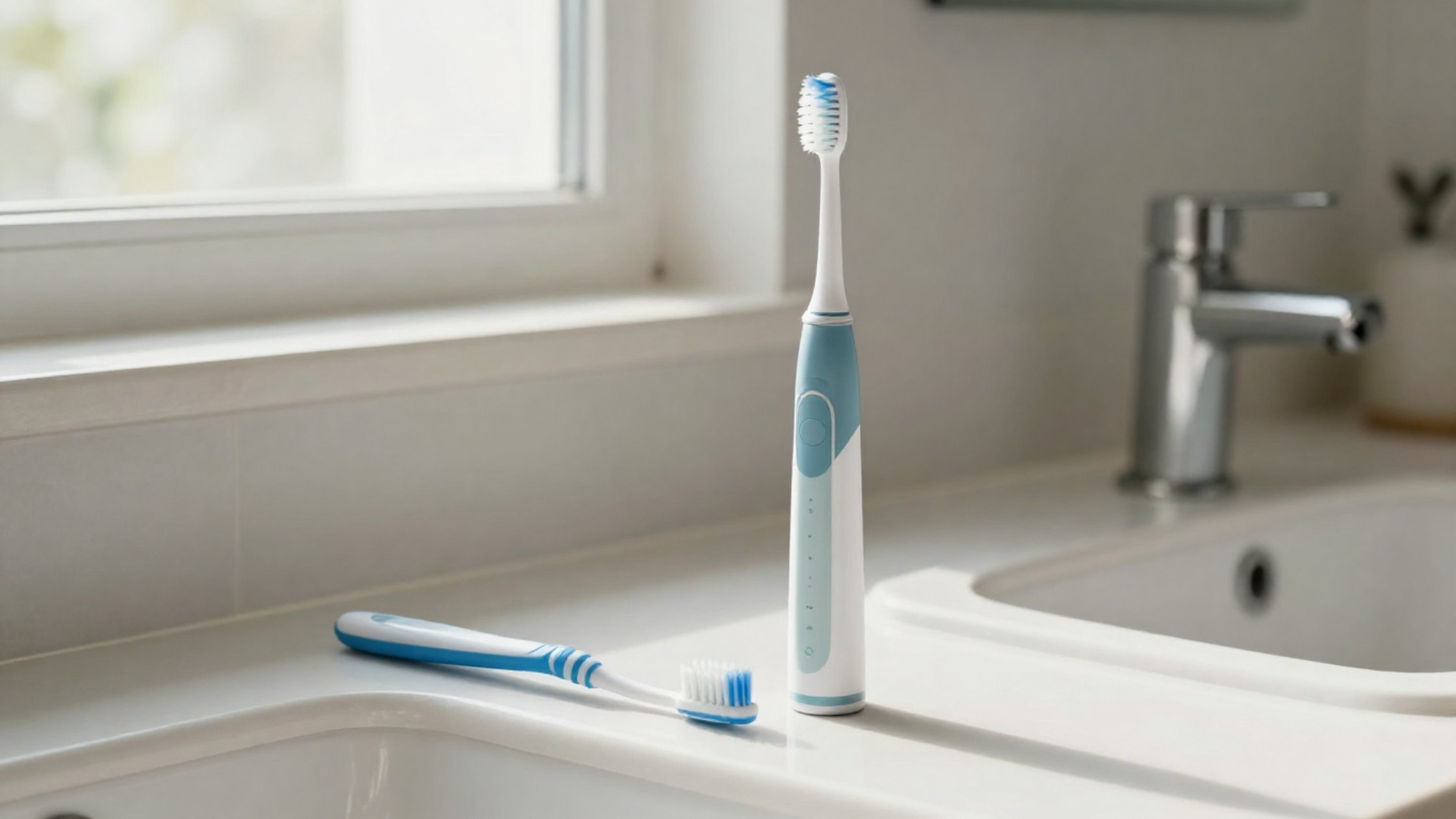
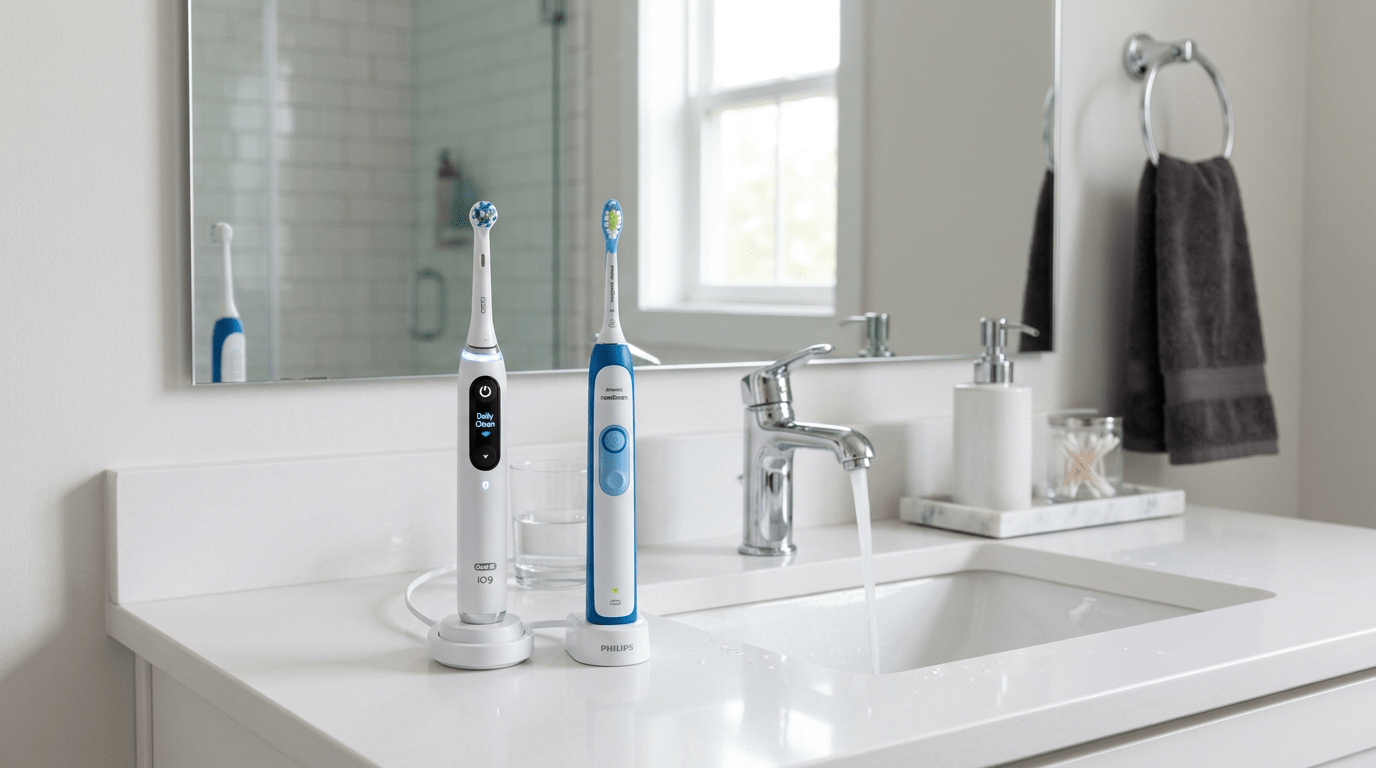
A manual toothbrush can miss plaque along the gumline, which matters even more when your mouth’s natural defenses are already compromised. An electric toothbrush such as the Oral-B iO Series Electric Toothbrush with a pressure sensor and timer removes significantly more plaque with less effort. Read through the electric toothbrush guide for a thorough understanding of electric toothbrushes
- Add a Water Flosser to Your Routine
Dry mouth and gum inflammation make traditional flossing uncomfortable for some people. A water flosser such as the Waterpik Cordless Water Flosser gently clears food debris and bacteria from between teeth and below the gumline without the friction of string floss, a good option if your gums are already irritated. Learn about the differences between water flossers and thread flossers in this article
- Switch to a Dry-Mouth-Friendly Mouthwash
Skip alcohol-based mouthwashes, which dry out oral tissue further. Look for alcohol-free formulas such as Biotène Dry Mouth Oral Rinse designed specifically for xerostomia; many include xylitol or fluoride to help protect enamel.
- Tell Your Dentist You’re on a GLP-1 Medication
This single step matters more than any product. Your dentist can adjust your cleaning schedule, apply extra fluoride treatments, and monitor for early enamel erosion before it becomes a bigger problem.
Grab my free 7-Day Fresher, Whiter Smile Routine to build the full habit, see a licensed dentist for advice tailored to your mouth, and subscribe to the Boateng Dental newsletter.
Frequently Asked Questions
Conclusion
Ozempic teeth is a real, manageable side effect, not a reason to panic, and not a reason to stop a medication that’s working for you without talking to your doctor first. The fix is straightforward: hydrate more, upgrade your home routine with the right tools, and keep your dentist in the loop. If it’s been more than six months since your last cleaning, now’s the time to book one.