Disclosure: This article contains affiliate links. If you buy through them, I may earn a small commission at no extra cost to you. I only recommend products I believe are genuinely worth it.
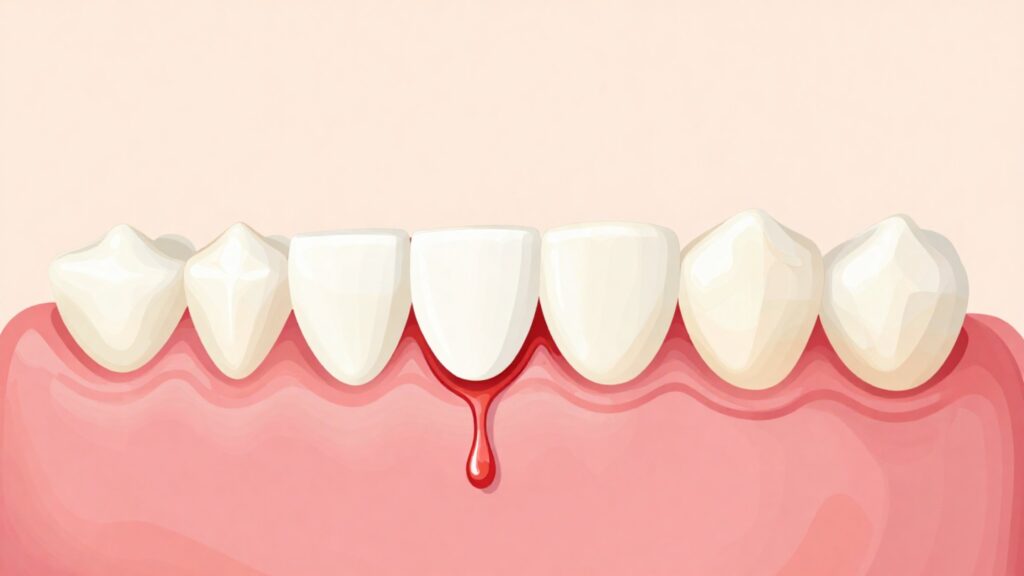
If your gums bleed when you brush, you’re not alone—it’s one of the most common things people notice, and it’s usually a sign of mild gum irritation rather than anything alarming. The short answer to “why do my gums bleed when I brush?” is that the gumline is inflamed, most often from brushing too hard, skipping cleaning between the teeth, or plaque building up along the gums. The good news: in many everyday cases, gentle, consistent care settles it down within a couple of weeks.
But bleeding gums can occasionally point to something that needs professional care, so let’s start there.
When bleeding gums mean you should see a dentist
Please book a dental appointment if any of these apply:
- The bleeding doesn’t improve after about two weeks of gentle, consistent care.
- Your gums are swollen, painful, or pulling away from your teeth.
- You have persistent bad breath, loose teeth, or pus.
- You’re pregnant, on blood-thinning medication, or have a health condition that affects bleeding.
- The bleeding is heavy or happens easily without obvious cause.
Kindly note that none of the guidance below replaces a dentist’s assessment—it’s general information to help you understand and improve everyday bleeding while you arrange a check-up.
Why do your gums bleed when you brush? The common causes
Most everyday cases come down to a few familiar culprits:
- Brushing too hard or with a hard brush. This is the number-one cause. Scrubbing irritates and damages the delicate gumline. Switch to a soft brush and a gentle touch.
- Skipping cleaning between your teeth. Plaque builds up where the brush can’t reach, inflaming the gums.
- Just started flossing or water flossing. If you’ve recently begun cleaning between your teeth, a little bleeding for the first week or two is common and usually settles as your gums get healthier—don’t stop, just be gentle.
- Plaque buildup along the gumline (early gum inflammation). The body’s response to that plaque is inflammation, which bleeds easily.
- Other factors. Hormonal changes (such as during pregnancy), certain medications, or nutritional gaps can also play a role—another reason to check in with a professional if it persists.
The simple routine that helps
For everyday and mild bleeding, gentleness and consistency are everything:
- Switch to a soft-bristled brush and ease off the pressure—let the bristles do the work, never scrub.
- Brush twice a day for two minutes, angling gently toward the gumline.
- Clean between your teeth daily, gently. If string floss feels harsh, a water flosser is a kinder option.
- Be consistent. Gums respond to steady, gentle care — not occasional aggressive cleaning.
- Don’t rinse straight after brushing so the fluoride keeps working.
My free 7-Day Fresher, Whiter Smile Routine walks through this exact gentle routine one easy step at a time.
Tools that are kinder to your gums
A few simple swaps can take the pressure off irritated gums:
- A soft-bristled toothbrush — the simplest, most important change.
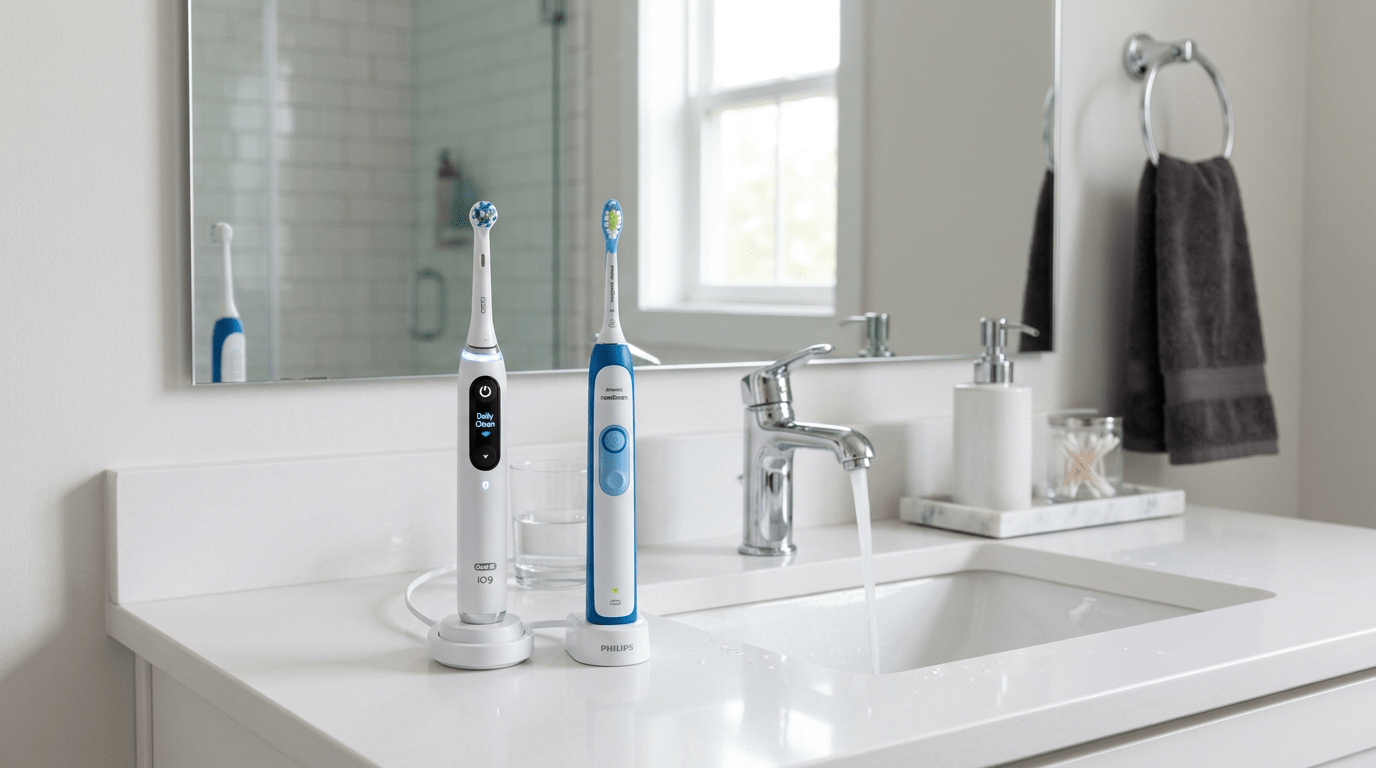
- An electric toothbrush with a pressure sensor, which warns you (and many ease off automatically) when you press too hard—genuinely helpful if heavy-handed brushing is your issue. See my Best Electric Toothbrushes guide for gentle, pressure-aware options.
- A water flosser, a gentle way to clean between teeth if traditional floss feels harsh. I compare the options of a Waterpik vs. flossing.
What to expect
With gentle, consistent care, many people notice their gums bleed less within one to two weeks as the inflammation calms down. If you’ve just started flossing, early bleeding usually fades over the same period. If there’s no improvement after two weeks, or anything gets worse, that’s your cue to see a dentist—sometimes a professional cleaning is what’s needed to reset things.
Frequently asked questions: gums bleeding when brushing
The bottom line
If your gums bleed when you brush, it’s usually a sign of mild, reversible irritation — and gentle, consistent care with a soft brush often turns it around within a couple of weeks. But because bleeding gums can occasionally signal something more, don’t ignore anything persistent.
Start with my free 7-day fresher, whiter smile routine for the gentle daily habits, and see a licensed dentist for anything that doesn’t improve or that worries you.
This guide is general oral-hygiene information for educational purposes only and is not dental or medical advice. Bleeding gums can have many causes—please consult a licensed dentist for diagnosis and care tailored to you.