Gum Health in 2026: The Science-Backed Guide to Preventing Gum Disease Before It Starts
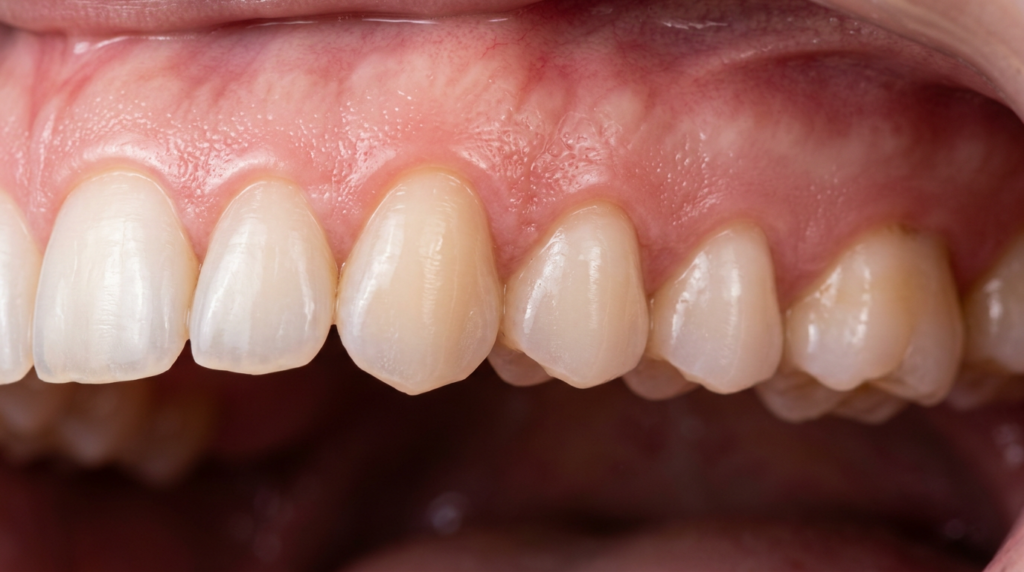
Gum disease used to be treated as a “brush harder” problem. Not anymore. In 2026, dentists and researchers are talking about gum health as a whole-body issue — one tied to diabetes, heart disease, and even cancer risk — and the tools available to protect your gums have never been smarter. If you’ve noticed your gums bleeding when you floss, feel tender after coffee, or just want to get ahead of a problem before it starts, this guide breaks down exactly what’s changed and what actually works.
As a practicing dentist, I see the effects of gum disease every week, and almost all of it is preventable. Here’s what the latest research and technology mean for your daily routine.
Quick Guide: Gum Health in 5 Steps
Short on time? Here’s the whole routine at a glance:
- Brush at a 45° angle with gentle circles, twice daily, for 2 minutes—an electric toothbrush with a pressure sensor makes this easier.
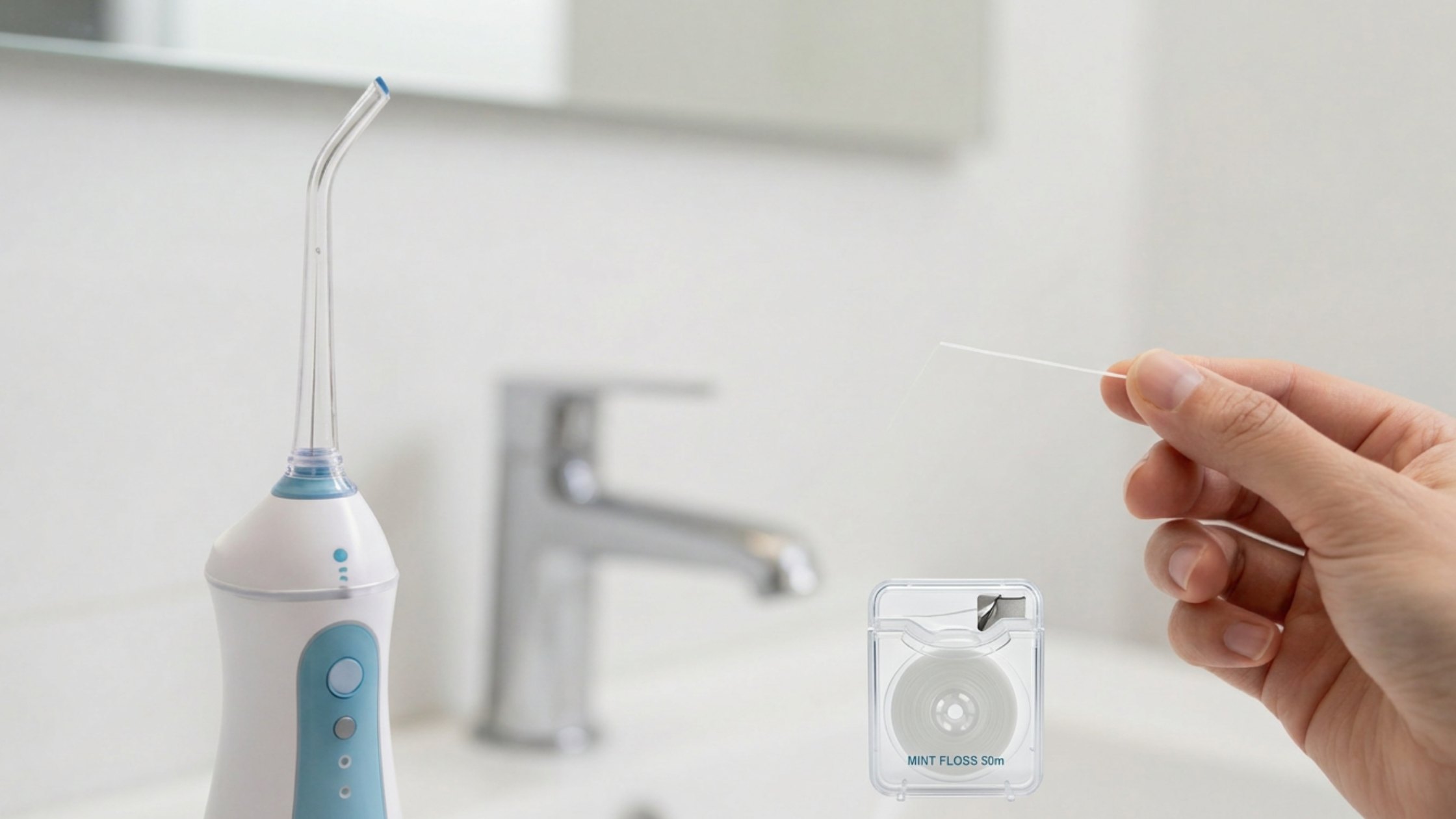
- Floss once a day, ideally before bed—a water flosser is a good substitute if string floss never stuck.
- Add a gum-targeted mouthwash, not just a breath freshener.
- Eat gum-friendly foods — vitamin C and D sources like leafy greens, citrus, and dairy — and cut back on frequent sugar and smoking.
- See your dentist every 6 months, even when nothing hurts—early gum disease is painless and fully reversible.
Watch for bleeding gums, persistent bad breath, or redness and swelling — those are the signs it’s time to act sooner rather than later. The sections below go into the “why” behind each step.
Why Gum Health Is Getting So Much Attention Right Now
Gum disease and periodontal disease affect a huge share of adults, but they rarely get the spotlight that cavities or whitening do. That’s shifting fast for three reasons.
The Oral-Systemic Connection Is Getting Harder to Ignore
New research this year has linked common gum-disease-causing bacteria to inflammation that may influence conditions well beyond the mouth, including cardiovascular disease and irregularities in blood sugar control. Separately, patients treated for infected teeth and gum issues have shown improved cholesterol levels and better blood sugar management over time. The takeaway: your gums are not an isolated system. Inflammation there doesn’t necessarily stay there.
A New Generation of Toothpaste Targets Bacteria Differently
One of the more interesting developments in 2026 is toothpaste formulated to disarm the specific bacteria responsible for periodontitis without wiping out the “good” bacteria in your mouth. Instead of a blanket antibacterial approach, these formulas are designed to selectively neutralize the harmful strains that trigger gum inflammation—a more precise approach than older antiseptic mouth rinses.
Smart, Connected Oral Care Has Gone Mainstream
Smart toothbrushes with pressure sensors and app-based coaching are no longer a novelty — they’re becoming the default for anyone serious about prevention. These devices track brushing duration, pressure, and coverage in real time, flagging the exact spots along the gumline that get missed most often (usually the back molars and the inner surfaces of the lower front teeth).
The Daily Habits That Actually Prevent Gum Disease
Technology helps, but the fundamentals still do most of the work. Here’s what dentists are emphasizing in 2026.
1. Brush at the Right Angle, Not Just Twice a Day
Frequency matters less than technique. Hold your brush at a 45-degree angle toward the gumline and use gentle circular motions — never an aggressive back-and-forth scrub, which can wear down gum tissue over time. Two minutes, twice daily, with a soft-bristled brush is still the standard dentists recommend.
An electric toothbrush makes this dramatically easier to get right, since most models include a built-in timer and pressure sensor that stop you from brushing too hard. The Oral-B iO Series 2 has become a go-to recommendation this year for exactly this reason—it’s simple to use, keeps you at the right pressure, and delivers results comparable to far more expensive models.
2. Make Flossing (or Water Flossing) Non-Negotiable
Floss removes what your toothbrush physically cannot reach: the tight space between teeth and just below the gumline where plaque hardens into tartar. If traditional floss has never stuck as a habit, water flossers have surged in popularity for a reason — they use a pressurized water stream to clear debris and bacteria with a fraction of the effort, and they tend to be gentler on inflamed or sensitive gums.
3. Don’t Skip Mouthwash — But Choose the Right One
An antimicrobial or fluoride mouthwash adds a layer of protection that flossing and brushing can’t fully cover, especially along the gumline and in areas of the mouth that are hard to reach. Look for one designed specifically to target gum health rather than just fresh breath.
4. Feed Your Gums, Not Just Your Teeth
Diet plays a bigger role in gum health than most people realize. Foods rich in vitamin C and D—leafy greens, citrus, dairy, and nuts—support gum tissue repair and help regulate the inflammatory response that drives gum disease. On the flip side, frequent sugar exposure and smoking are two of the biggest accelerants of periodontal breakdown, since both suppress the immune response that normally keeps bacteria in check.
5. See Your Dentist Every Six Months, Even If Nothing Hurts
Gum disease is often painless in its early stage (gingivitis), which is exactly why it goes untreated until it progresses. A professional cleaning removes hardened tartar that no home routine can touch, and it’s the single best early-warning system for catching problems before they require deeper treatment. Book an appointment here
Want This Delivered to Your Inbox?
If you found this useful, you’ll want to see what’s next. Get our free 7-day fresher breath, whiter smile routine guide, and subscribe to the Boateng Dental Newsletter for exclusive tips, early access to our dental guides, and first-look deals on the oral care products our team actually recommends.
What to Do If You Already Have Symptoms
If you’re noticing any of the following, it’s worth booking an appointment rather than waiting for your next routine cleaning:
- Gums that bleed regularly when brushing or flossing
- Persistent bad breath that doesn’t resolve with brushing
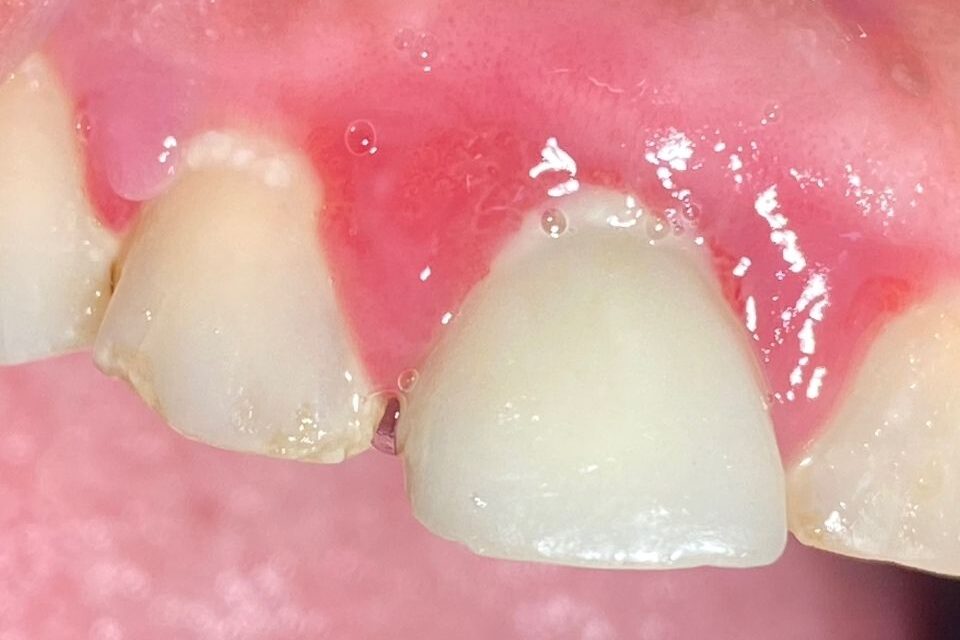
- Gums that look red, swollen, or have started to pull away from the teeth
- Teeth that feel slightly loose or shifted
Early-stage gum disease (gingivitis) is fully reversible with professional cleaning and a corrected home routine. Left untreated, it can progress to periodontitis, which causes permanent damage to the bone and the tissues that hold your teeth in place. Read the signs of gum disease before pain starts to know more about the early signs of gum disease
Frequently Asked Questions
One Last Thing
Your gums do more work than they get credit for. A few small changes — the right brush, a daily flossing habit, and a mouthwash built for gum health — go a long way toward preventing a problem that’s far easier to stop early than to treat later.
Enjoyed this guide? Get the free 7-day fresh breath, whiter smile routine guide, and subscribe to the Boateng Dental Newsletter for more research-backed oral health tips, product recommendations, and early access to future guides.