Gum Health and Heart Disease: The Oral-Systemic Connection Every Adult Should Know in 2026
For decades, most of us treated the dentist’s chair as separate from the rest of our healthcare—a place for cavities and cleanings, nothing more. That thinking is officially outdated, as gum health and heart disease are connected. In 2026, 91% of adults say oral health is very important to their overall well-being, and dental researchers are publishing a steady stream of evidence linking gum health to some of the most serious conditions in medicine: heart disease, diabetes, and pregnancy complications.
As a practicing dentist, I’ve watched this shift happen in real time. Patients no longer ask just “do I have a cavity?” They ask, “What is my mouth telling me about my body?” This article breaks down what the science actually says, what a gum-healthy routine looks like in practice, and which products are worth adding to your bathroom counter this year.
Quick Guide: Gum Health in 60 Seconds
Short on time? Here’s the whole article in one glance:
- The link: Chronic gum inflammation shares inflammatory pathways with heart disease, diabetes, and pregnancy complications — your mouth isn’t separate from your overall health.
- Warning signs: Bleeding when you brush or floss, red or swollen gums, persistent bad breath, gum recession, or loose teeth.
- Brush right: 2 minutes, 2x daily, soft bristles, 45° angle toward the gumline — not just the tooth surface.
- Upgrade your brush: Electric toothbrushes (e.g., Oral-B iO Series 2, Philips Sonicare 4100) cut plaque and gingivitis more than manual brushing.
- Floss daily: String floss or a water flosser (e.g., Waterpik) — either works, but consistency is what matters.
- Watch your diet: Vitamin C, calcium, and omega-3s support gum tissue; tobacco is the single biggest risk factor.
- Whitening safely: Fine for healthy gums; choose peroxide-free or PAP-based formulas if you have sensitivity, and skip it if gums are inflamed.
- See your dentist: Preventive exams are now considered as essential as an annual physical—don’t skip cleanings.
Why Your Gums Are a Window Into Your Whole-Body Health
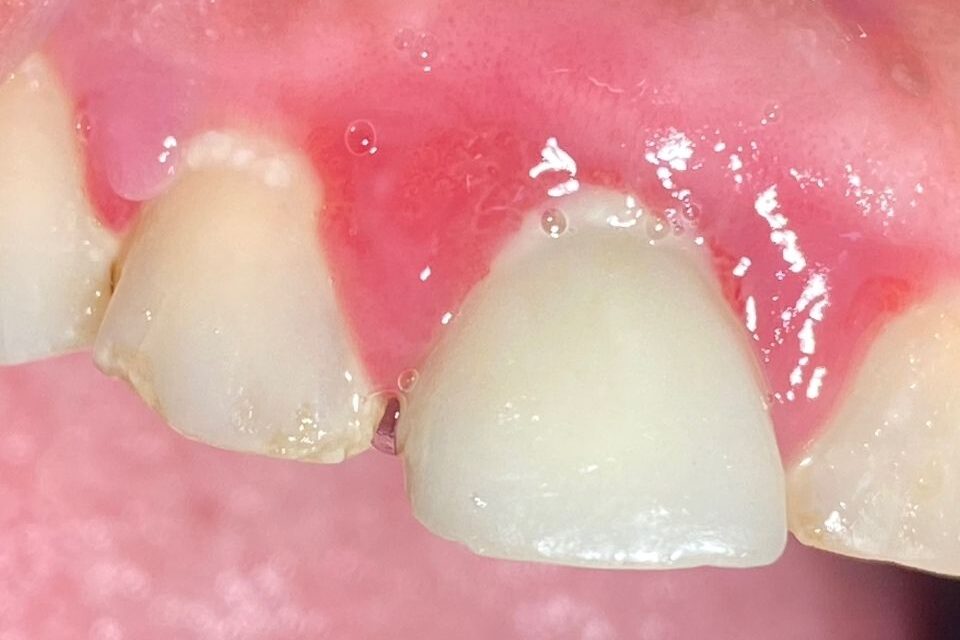
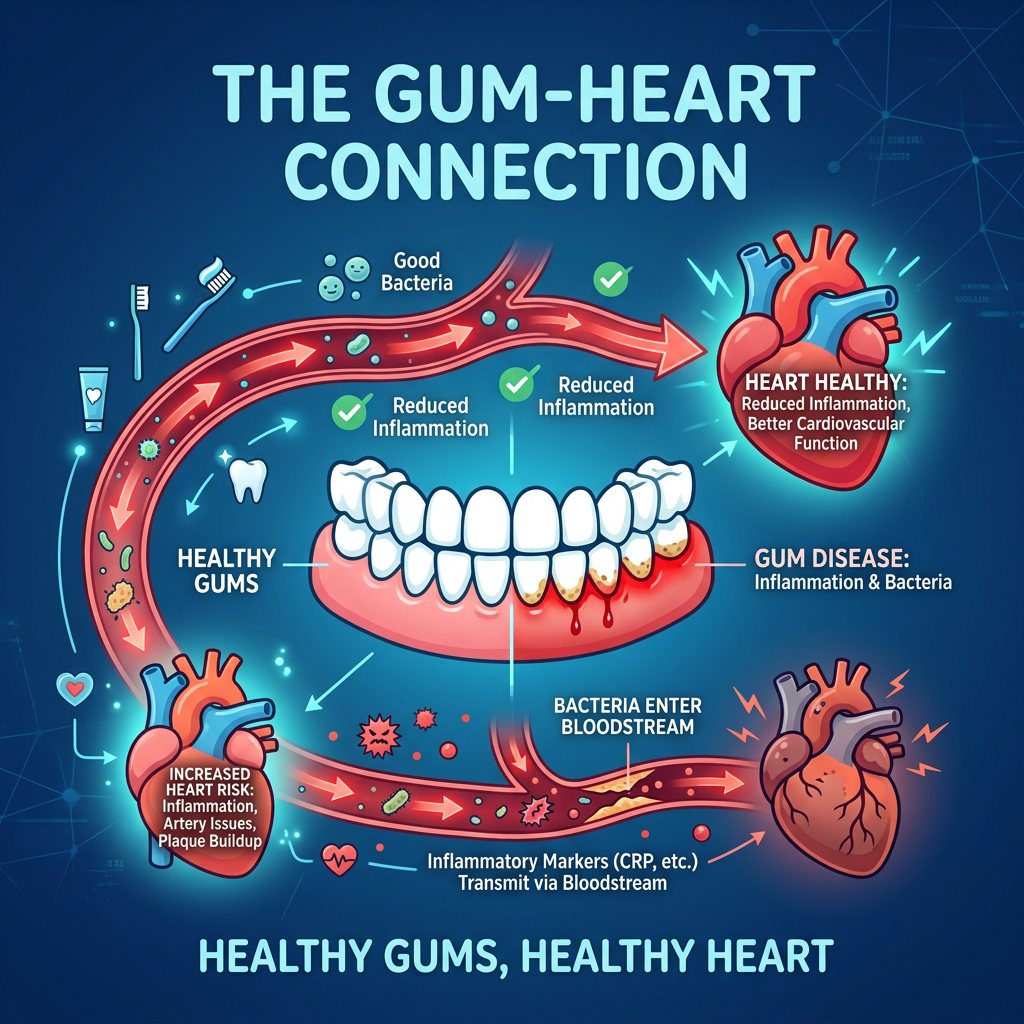
Your gums are lined with blood vessels, which means whatever happens in your mouth doesn’t necessarily stay in your mouth. When gum disease (periodontitis) takes hold, chronic inflammation and bacteria don’t just stay local—they can enter your bloodstream and influence processes throughout your body.
The Gum Disease–Heart Disease Link
Growing evidence points to a real association between periodontal disease and cardiovascular disease. The leading theory is that inflammation is the common thread: the same bacteria that cause gum inflammation can contribute to arterial inflammation, and chronically inflamed gums may be a marker — or even a contributor — to a chronically inflamed cardiovascular system. This doesn’t mean gum disease causes heart attacks, but it does mean your dentist and your cardiologist should probably be talking to each other.
Diabetes, Pregnancy, and Other Systemic Connections
The relationship works in both directions with diabetes: poorly controlled blood sugar makes gum disease more likely and more severe, while untreated gum disease can make blood sugar harder to control. Pregnant patients face their own version of this—hormonal shifts increase susceptibility to “pregnancy gingivitis,” and severe periodontal disease has been associated with preterm birth and low birth weight in some studies. Public health messaging in 2026 has increasingly emphasized these connections; a recent state health department conference was built entirely around the theme that oral health is “not just about teeth,” touching on chronic disease management, maternal health, and even mental health.
The 2026 Data: How Americans Are Prioritizing Oral Health
The numbers back up what we’re seeing in the chair. Today, 72% of adults brush twice daily, 73% floss daily, and 68% use mouthwash daily—meaningful improvements over prior years. Ninety percent of adults now consider a preventive dental exam just as essential as an annual physical. Patients are also asking for more personalized prevention: salivary testing, oral microbiome analysis, and other diagnostic tools are gaining real traction in dental offices.
The takeaway: prevention is no longer a nice-to-have. It’s the standard.
Building a Gum-Healthy Routine at Home
The good news is that most gum disease is preventable with a consistent, well-executed routine. Here’s what actually moves the needle.
Brushing Technique That Actually Protects Your Gums
Technique matters as much as frequency. Brush for a full two minutes, twice a day, angling the brush at 45 degrees toward the gumline, so you’re actually clearing the bacteria that collects there—not just polishing the tooth surface. Use a soft-bristled brush; anything firmer can wear down gum tissue over time rather than protecting it.
Why Electric Toothbrushes Outperform Manual Brushing
Battery-powered and electric toothbrushes have consistently been shown to reduce gingivitis and plaque more effectively than manual brushing, largely because they maintain consistent pressure and stroke count in a way tired human hands don’t at 10 p.m. Two models stand out for 2026:
- The Oral-B iO Series 2 pairs a built-in two-minute timer with a pressure sensor that alerts you the moment you’re brushing too hard—a common cause of gum recession.
- The Philips Sonicare 4100 delivers many of the same core features (pressure sensor, multiple brush-head compatibility) at a genuinely budget-friendly price point, making it our pick for patients who want dentist-grade cleaning without the flagship price tag.
Flossing and Water Flossers
Flossing reaches the roughly 40% of tooth surface area your brush can’t touch—which is exactly where early gum disease tends to start. If traditional string floss isn’t sticking as a habit, a water flosser is a legitimate substitute that many patients find easier to stick with long-term, especially those with braces, bridges, or early gum sensitivity.
Check the latest price on Amazon → Waterpik Cordless Water Flosser
📩 One more thing. If you found this useful, our newsletter delivers one practical dental tip, one product recommendation, and one piece of oral health news every week—straight to your inbox. Get the free fresher, brighter smile in 7 days guide and join our newsletter
What About Whitening? Keeping Gums Safe While Brightening Your Smile
Cosmetic dentistry demand keeps climbing, and whitening remains the most requested treatment we see. The good news: modern at-home whitening products are gentler on gum tissue than the formulas from even five years ago.
Crest 3D Whitestrips remain a go-to for a reason—they’re mess-free, deliver noticeable results, and at roughly $2 per treatment, they’re one of the more affordable ways to brighten your smile without a dental visit. For patients with sensitive gums, look for peroxide-free formulas or PAP-based (phthalimido-peroxy-caproic acid) whiteners, which peer-reviewed research has shown can effectively whiten enamel with less irritation than traditional peroxide gels.
Check the latest price on Amazon → Crest 3D Whitestrips Professional Effects
One important reminder: whitening treats stains, not gum disease. If your gums bleed, look red or swollen, or have receded, see your dentist before starting any whitening regimen—whitening healthy teeth is cosmetic, but whitening over inflamed gums can make sensitivity worse. Learn about the early signs of gum disease in this article
Diet and Lifestyle Factors for Gum Health
Your toothbrush is only part of the equation. A gum-friendly diet leans on calcium, fiber-rich fruits and vegetables, and foods rich in vitamin C—think bell peppers, broccoli, brussels sprouts, oranges, and strawberries—all of which support the collagen structure that keeps gum tissue strong. Vitamin D, omega-3 fatty acids, and adequate hydration round out the list of nutrients worth prioritizing. On the flip side, smoking and chewing tobacco remain among the single biggest risk factors for gum disease, independent of how well you brush and floss.
Conclusion: Your Gums Deserve More Credit
Gum health isn’t a side note to your overall wellness plan—it’s part of it. The connections between periodontal health and heart disease, diabetes, and pregnancy outcomes are strong enough that your dental checkup deserves the same priority as your annual physical. The routine that protects your gums is straightforward: brush twice a day properly (ideally with an electric brush), floss or water floss daily, eat gum-friendly foods, avoid tobacco, and don’t skip your professional cleanings.
Ready to get a personalized look at your gum health? contact us
📩 One more thing. If you found this useful, our newsletter delivers one practical dental tip, one product recommendation, and one piece of oral health news every week—straight to your inbox. Get the free fresher, brighter smile in 7 days guide and join our newsletter