SIBO and Bad Breath: Can Small Intestinal Bacterial Overgrowth Be the Hidden Cause of Chronic Bad Breath?
Many people assume bad breath comes from poor brushing, gum disease, or eating strong-smelling foods. While that is often true, there are cases where the source of bad breath lies deeper in the body. If you have persistent bad breath despite brushing, flossing, and regular dental checkups, your digestive system may deserve closer attention.
SIBO and bad breath are increasingly being linked as healthcare professionals learn more about the relationship between gut health and oral health. As a practicing dentist, I occasionally see patients whose teeth and gums are healthy, yet their bad breath persists. In some of these cases, digestive problems may be contributing to the issue.
In this article, I’ll explain what SIBO is, how it may contribute to bad breath, the symptoms to watch for, and what steps you can take to find lasting relief.
Quick Answer: Can SIBO Cause Bad Breath?
Yes. SIBO, or Small Intestinal Bacterial Overgrowth can contribute to bad breath by causing excessive bacterial fermentation in the small intestine. This process produces gases and digestive disturbances that may result in unpleasant breath odors. Although most bad breath originates in the mouth, digestive conditions such as SIBO can sometimes be an underlying cause.
Download the free guide “10 Signs You Should See a Dentist ASAP” and learn the warning signs many people ignore until small dental problems become serious, and subscribe to our newsletter to receive the following:
- Fresh breath tips
- Oral health guides
- Dentist-approved recommendations
- Product reviews
- Preventive dental advice
Quick Guide to SIBO and Bad Breath
| Question | Quick Answer |
|---|---|
| What is SIBO? | Excess bacteria growing in the small intestine. |
| Can SIBO cause bad breath? | Yes, in some individuals. |
| Common symptoms? | Bloating, gas, burping, diarrhea, constipation, fatigue, and bad breath. |
| How is it diagnosed? | Usually with a hydrogen or methane breath test. |
| Can it be treated? | Yes, with medical treatment and dietary management. |
| Should I see a dentist first? | Yes. Most bad breath starts in the mouth. |
What Is SIBO?
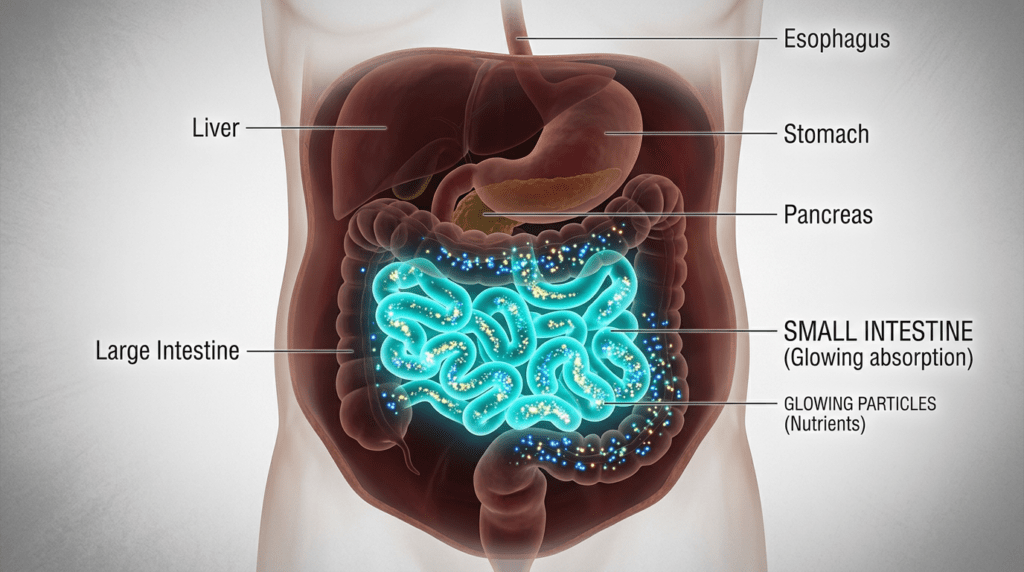
SIBO stands for Small Intestinal Bacterial Overgrowth. Normally, the small intestine contains relatively few bacteria compared to the large intestine. In people with SIBO, excessive numbers of bacteria grow in the small intestine where they shouldn’t be.
These bacteria feed on food before it is fully digested, producing gases that can lead to uncomfortable symptoms and potentially contribute to bad breath.
How Does SIBO Cause Bad Breath?
When bacteria in the small intestine ferment carbohydrates, they produce gases such as hydrogen, methane, and sulfur-containing compounds. These gases can contribute to:
- Frequent burping
- Reflux symptoms
- Unpleasant odors
- Altered taste in the mouth
Some patients describe SIBO-related breath as:
- Sulfur-like
- Rotten egg smelling
- Sour smelling
- Musty smelling
Because the source may be digestive rather than oral, brushing and mouthwash often provide only temporary relief.
Signs Your Bad Breath May Be Related to SIBO
1. Your Dentist Cannot Find a Dental Cause
If your teeth, gums, and tongue appear healthy but bad breath continues, further investigation may be necessary.
2. You Experience Frequent Bloating
Bloating is one of the hallmark symptoms of SIBO. If your stomach frequently feels swollen after eating, bacterial overgrowth may be contributing.
3. Excessive Burping and Gas
Fermentation by bacteria creates gas. People with SIBO often report:
- Frequent burping
- Excessive flatulence
- Stomach discomfort
4. Constipation or Diarrhea
Digestive irregularities commonly occur alongside bacterial overgrowth.
5. Fatigue and Nutrient Deficiencies
Long-term SIBO may interfere with nutrient absorption, potentially leading to fatigue and other symptoms.
Other Digestive Causes of Bad Breath
SIBO is not the only digestive condition associated with chronic bad breath. Other possibilities include:
1. Acid Reflux
Stomach contents traveling upward can create unpleasant breath odors.
This stomach infection has been associated with bad breath in some individuals.
3. Chronic Constipation
Waste remaining in the digestive tract longer than normal may contribute to odor-producing compounds.
4. Poor Digestive Health
An imbalance in gut bacteria may affect breath odor and overall well-being.
How Dentists Investigate Chronic Bad Breath
When a patient visits my clinic complaining of bad breath, I first rule out the most common oral causes:
- Gum disease
- Tooth decay
- Tongue coating
- Dry mouth
- Food impaction
- Faulty dental restorations
These account for the vast majority of bad breath cases. If oral causes are ruled out and digestive symptoms are present, further medical evaluation may be appropriate.
What You Can Do If You Suspect SIBO
Get a Professional Diagnosis
Do not assume you have SIBO based solely on bad breath. A healthcare professional can determine whether additional testing is necessary.
Maintain Excellent Oral Hygiene
Continue:
- Brushing twice daily
- Flossing daily
- Cleaning your tongue
- Attending regular dental checkups
Stay Hydrated
Dry mouth often worsens bad breath regardless of the underlying cause.
Track Your Symptoms
Keep a journal documenting:
- Foods eaten
- Bloating episodes
- Digestive symptoms
- Bad breath severity
Patterns may emerge that help identify triggers.
Products That May Help Manage Bad Breath
Disclosure: As an Amazon Associate, we earn from qualifying purchases.
Tongue Scraper
A tongue scraper removes odor-causing bacteria and debris that accumulate on the tongue.
Best Tongue Scrapers for Bad Breath
Water Flosser
Water flossers can improve cleaning around teeth and gums.
Best Water Flossers for Oral Health
Xylitol Gum
Xylitol stimulates saliva production and may help reduce dry mouth.
Best Xylitol Gum for Fresh Breath
Alcohol-Free Mouthwash
May help control odor without drying the mouth.
Best Alcohol-Free Mouthwash for Halitosis
Oral Probiotics
Some individuals use oral probiotics to support a healthier oral environment.
Best Oral Probiotics for Bad Breath
Download the free guide “10 Signs You Should See a Dentist ASAP” and learn the warning signs many people ignore until small dental problems become serious, and subscribe to our newsletter to receive the following:
- Fresh breath tips
- Oral health guides
- Dentist-approved recommendations
- Product reviews
- Preventive dental advice
Frequently Asked Questions About SIBO and Bad Breath
Conclusion
SIBO and bad breath may be connected in certain individuals, particularly when bad breath occurs alongside bloating, excessive gas, digestive discomfort, constipation, or diarrhea.
As a dentist, I encourage patients with persistent bad breath to think beyond simply masking the odor. The goal is to identify the root cause.
If your bad breath persists despite good oral hygiene and regular dental care, discussing digestive health with your healthcare provider may be a worthwhile next step.
The good news is that once the true cause is identified, effective treatment becomes much more achievable.