Acid Reflux And Bad Breath: How GERD, Acid Reflux, and LPR Cause Bad Breath
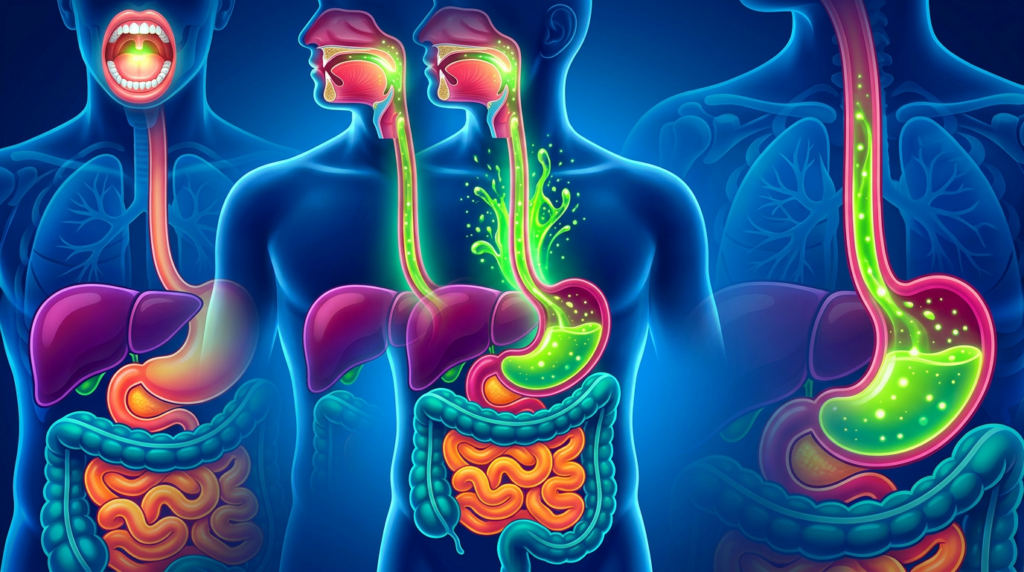
You Brush Your Teeth… But the Smell Keeps Coming Back. Over the last two decades in dental practice, I have treated countless patients who were convinced their bad breath was due to poor brushing alone, not knowing that acid reflux could be the cause of the bad breath.
Many brushed aggressively multiple times a day. Some constantly chewed gum or carried mouthwash everywhere they went. Others became deeply self-conscious in conversations because they feared people could smell their breath.
“The source of chronic bad breath is not always inside the mouth. Acid reflux, GERD, and LPR are some causes of chronic bad breath that most people overlook.”
Yet despite all their efforts, the odor persisted. What many of these patients did not realize was that the source of the problem was not always inside the mouth itself. In many cases, the smell was actually traveling upward from the digestive system.
Acid reflux, GERD, and LPR can quietly push stomach acids, digestive gases, and unpleasant odors upward into the throat and mouth, leading to chronic bad breath. This creates a type of chronic bad breath that ordinary brushing and mouthwash often fail to eliminate.
Because reflux symptoms can sometimes be subtle or mistaken for unrelated throat problems, many people live with bad breath caused by acid reflux disease for years without understanding the true cause.
In this guide, I will explain how acid reflux causes bad breath, the differences between gastroesophageal reflux disease (GERD) and laryngopharyngeal reflux (LPR), the warning signs many patients overlook, and the most effective ways to manage the condition from both dental and medical perspectives.
Download the free guide “10 Signs You Should See a Dentist ASAP” and learn the warning signs many people ignore until small dental problems become serious, and subscribe to our newsletter to receive the following:
- Fresh breath tips
- oral health guides
- Dentist-approved recommendations
- Product reviews
- Preventive dental advice
Quick Guide: Acid Reflux And Bad Breath at a Glance
| Condition | What Happens | Common Breath Odor |
|---|---|---|
| Acid reflux | Acid rises into the esophagus. | Sour or acidic |
| GERD | Chronic reflux disease | Persistent unpleasant odor |
| LPR (“silent reflux”) | Acid reaches throat/voice box | Musty or sour smell |
| Dry mouth from reflux | Reduced saliva flow | Bacterial odor |
| Reflux-related erosion | Acid damages enamel | Metallic or acidic breath |
Most people assume bad breath is caused by poor brushing, leftover food particles, or strongly scented foods like garlic and onions. And while those factors certainly contribute in some cases, chronic bad breath that continues despite good oral hygiene often suggests something deeper, such as acid reflux.
One condition I frequently identify in patients with unexplained halitosis is acid reflux disease. When stomach contents repeatedly rise upward, they expose the mouth and throat to acid, digestive enzymes, and odor-producing gases.
Over time, this not only causes chronic bad breath but can also damage tooth enamel, irritate soft tissues, disrupt saliva balance, and create an environment where odor-causing bacteria thrive. The connection between acid reflux and oral health is far stronger than most people realize, and dentists are often among the first healthcare professionals to recognize its signs.
What Is Acid Reflux?
Acid reflux occurs when stomach acid flows backward into the esophagus instead of remaining in the stomach where it belongs.
Normally, a muscular valve known as the lower esophageal sphincter prevents this backward flow. When the valve weakens or relaxes improperly, acid from the stomach escapes upward into the esophagus and sometimes beyond.
Occasional reflux is common and may happen after overeating or consuming certain foods. However, when reflux becomes frequent, it may develop into gastroesophageal reflux disease, commonly known as GERD.
What Is GERD?
GERD is a chronic digestive condition involving repeated episodes of acid reflux. Patients with GERD often experience symptoms such as heartburn, chest discomfort, burping, sour taste, and chronic bad breath.
Over time, the repeated exposure of the mouth and throat to stomach acid can significantly affect oral health. The condition can gradually damage tooth enamel, contribute to dry mouth, irritate the throat, and create an environment where sulfur-producing bacteria become more active.
What Is LPR (Silent Reflux)?
Laryngopharyngeal Reflux, or LPR, is often referred to as “silent reflux” because many patients do not experience the classic heartburn symptoms associated with GERD.
Instead, the acid travels higher into the throat, voice box, and mouth. Patients frequently mistake the symptoms for allergies, sinus problems, or chronic throat irritation.
LPR commonly contributes to persistent bad breath because the throat tissues remain chronically irritated while digestive gases and acids repeatedly enter the mouth.
How Acid Reflux Causes Bad Breath
When reflux occurs, digestive gases and stomach contents travel upward from the stomach into the esophagus and throat. These gases often carry sour, acidic, metallic, or rotten odors that become noticeable on the breath.
At the same time, stomach acid alters the mouth’s natural pH balance. This disruption creates conditions where sulfur-producing bacteria thrive more easily, worsening chronic halitosis.
Reflux also contributes to dry mouth in many patients. Saliva normally helps cleanse the mouth and control bacterial growth. When saliva production decreases, bacteria multiply rapidly, and odors become stronger.
Over time, acid exposure may also damage tooth enamel and irritate oral tissues, further contributing to unpleasant breath.
Symptoms of Bad Breath Caused by Acid Reflux
Persistent Bad Breath That Quickly Returns
One of the most frustrating symptoms for patients is breath odor that reappears shortly after brushing. Many describe a temporarily fresh breath that becomes unpleasant again within minutes or hours.
This happens because the underlying source of the odor is not simply food debris or poor brushing. Instead, digestive gases and acids continue rising upward into the throat and mouth throughout the day.
Many patients become trapped in a cycle of repeatedly using gum, mints, and mouthwash without ever addressing the root cause.
Sour or Acidic Taste in the Mouth
A sour, bitter, or metallic taste is one of the strongest clues that reflux may be involved.
Patients often notice this taste:
- After meals
- During the night
- Immediately upon waking
- After lying down
The unpleasant taste occurs because stomach acid reaches the throat and mouth, coating tissues and altering the oral environment. Some patients describe the sensation as tasting “vomit-like,” acidic, or unusually sharp.
Chronic Throat Clearing
Frequent throat clearing is extremely common in reflux patients, particularly those with LPR. Acid irritation creates a sensation of mucus, tightness, or something “stuck” in the throat. Patients may clear their throat constantly throughout the day without realizing reflux is the cause.
Over time, this irritation may worsen throat inflammation and contribute to further odor production.
Dry Mouth
Many reflux patients unknowingly develop chronic dry mouth. Acid irritation, mouth breathing, poor sleep quality, and certain reflux medications may reduce saliva production. As saliva decreases, the mouth loses one of its most important natural defense systems.
Without adequate saliva:
- Bacteria multiply faster
- Sulfur compounds increase
- Odours intensify
- Morning breath worsens dramatically
Patients often describe waking up with an unusually sticky or dry mouth sensation.
Hoarseness and Voice Changes
Because reflux acid may reach the voice box, many patients develop hoarseness, voice fatigue, or changes in vocal quality. Some notice their voice sounds rougher in the morning or becomes strained after speaking for long periods.
Professional speakers, teachers, singers, and public-facing workers are especially affected.
Burning Sensation in the Chest or Throat
Classic GERD symptoms include burning discomfort in the chest or throat, often referred to as heartburn. This sensation may worsen:
- After eating
- While lying down
- At night
- After spicy or acidic foods
In some patients, however, the burning sensation is mild or absent entirely, especially in silent reflux cases.
Tooth Sensitivity and Enamel Erosion
One of the earliest dental signs of chronic reflux is enamel erosion. Stomach acid slowly weakens and dissolves the protective outer layer of teeth. As enamel thins, teeth become increasingly sensitive to:
- Cold foods
- Hot drinks
- Sweet foods
- Brushing
Dentists often notice smooth, shiny, or worn enamel surfaces in reflux patients before the patient even realizes reflux is occurring.
Signs Your Bad Breath May Be Acid-Reflux-Related
You may be dealing with reflux-related halitosis if your breath smells sour or acidic, symptoms worsen after meals, mouthwash only provides temporary relief, or you frequently wake up with bad breath despite good oral hygiene.
Nighttime symptoms are especially common because lying flat allows acid to travel upward more easily.
How Dentists Identify Acid Reflux Problems
In clinical practice, dentists often recognize reflux through patterns of enamel erosion, chronic dry mouth, throat irritation, and unexplained persistent halitosis. Many patients are surprised to learn that oral symptoms may actually originate in the digestive tract rather than the teeth themselves.
Because dentists examine the mouth regularly and closely, they are often among the first healthcare professionals to suspect reflux disease.
Management and Treatment of Bad Breath Due to Acid Reflux
Managing reflux-related bad breath requires addressing both the digestive condition and the oral effects it creates. Avoiding trigger foods such as spicy meals, fried foods, coffee, alcohol, and acidic drinks often helps reduce reflux episodes significantly.
Patients are also encouraged to avoid eating late at night because lying down shortly after meals dramatically increases reflux risk. Elevating the head slightly while sleeping may help reduce nighttime reflux and morning bad breath.
Good oral hygiene remains extremely important. Daily tongue cleaning, flossing, alcohol-free mouthwash, fluoride toothpaste, and hydration all help reduce bacterial overgrowth and protect oral tissues. Persistent reflux symptoms should also be medically evaluated because long-term acid exposure may damage both digestive and oral tissues over time.
Dentist-Recommended Oral Care Products
Helpful products may include:
- Tongue scrapers
- Water flossers
- Alcohol-free mouthwash
- Xylitol gum for dry mouth
- Fluoride toothpaste for enamel protection
- Oral probiotics
Download the free guide “10 Signs You Should See a Dentist ASAP” and learn the warning signs many people ignore until small dental problems become serious, and subscribe to our newsletter to receive the following:
- Fresh breath tips
- oral health guides
- Dentist-approved recommendations
- Product reviews
- Preventive dental advice
Frequently Asked Questions
Conclusion
The reflux-breath connection is real, and it is far more common than many people realize. In over 20 years of clinical dental practice, I have seen countless patients struggle with chronic bad breath that had very little to do with poor brushing.
Instead, the true source was acid reflux, GERD, silent reflux, or the oral complications these conditions create. Persistent bad breath should never be dismissed as merely a cosmetic problem. In many cases, it is the body’s way of signaling that something deeper needs attention.
The encouraging news is that once reflux-related halitosis is properly identified, it often becomes far more manageable through a combination of medical care, lifestyle adjustments, and targeted oral health strategies.
If your breath continues to smell unpleasant despite good oral hygiene, it may be time to look beyond your toothbrush and investigate the possibility of acid reflux.
Download the free guide “10 Signs You Should See a Dentist ASAP” and learn the warning signs many people ignore until small dental problems become serious, and subscribe to our newsletter to receive the following:
- Fresh breath tips
- oral health guides
- Dentist-approved recommendations
- Product reviews
- Preventive dental advice